

Ready to turn your passion for digital marketing into a thriving business? Follow our step-by-step guide to launch your own digital marketing agency successfully!
Understanding the Digital Marketing Landscape
The digital marketing landscape is ever-evolving, continuously shaped by technological advancements, consumer behaviors, and the rise of new platforms. To establish a successful digital marketing agency, it’s crucial to understand the current trends and the dynamics at play. From search engine optimization (SEO) and content marketing to social media strategies and pay-per-click (PPC) advertising, each component plays a vital role in crafting effective marketing campaigns. Knowing the intricacies of these elements and how they interact can give your agency a competitive edge.
Additionally, the importance of data analytics cannot be overstated. In a world driven by data, the ability to analyze and interpret metrics is invaluable. This includes understanding consumer insights, tracking campaign performance, and making data-driven decisions to optimize marketing strategies. Familiarizing yourself with tools like Google Analytics, SEMrush, and HubSpot can provide a solid foundation for delivering measurable results to your clients.
Moreover, the landscape is also influenced by emerging technologies such as artificial intelligence (AI), machine learning, and voice search. Staying updated with these advancements and incorporating them into your strategies can set your agency apart. For instance, AI can assist in personalizing marketing efforts, while voice search optimization can enhance the user experience. By keeping an eye on these trends, you can ensure your agency remains at the forefront of digital marketing innovation.
Identifying Your Niche and Target Audience
Identifying your niche is a critical step in launching a digital marketing agency. Instead of attempting to serve every possible industry, focusing on a specific niche allows you to become an expert in that field. Whether it’s healthcare, real estate, e-commerce, or any other sector, specializing enables you to tailor your services to the unique needs of your clients. This not only makes your agency more appealing to potential clients but also makes it easier to develop targeted marketing strategies.
Once you’ve identified your niche, the next step is to define your target audience. Understanding who your ideal clients are will help you create more effective marketing campaigns. Start by creating detailed buyer personas that include demographic information, pain points, goals, and purchasing behavior. This will help you tailor your messaging and services to meet their specific needs. Additionally, conducting market research and analyzing competitors can provide valuable insights into your target audience’s preferences and behaviors.
Moreover, building relationships within your niche can significantly impact your agency’s success. Networking with industry professionals, attending relevant conferences, and participating in online forums can help you establish credibility and trust within your chosen field. By positioning yourself as an expert, you’ll be more likely to attract clients who are seeking specialized knowledge and services. This strategic approach to identifying your niche and target audience will lay a strong foundation for your agency’s growth.
Crafting a Business Plan for Your Agency
A well-crafted business plan is essential for the success of your digital marketing agency. This document serves as a roadmap, guiding you through the initial stages of your business and helping you stay focused on your goals. Start by outlining your agency’s mission and vision. Your mission statement should clearly define what your agency aims to achieve, while your vision statement should describe where you see your agency in the future. These statements will serve as the foundation for your business plan.
Next, conduct a thorough market analysis to understand the competitive landscape and identify opportunities for growth. This includes analyzing your competitors, understanding market trends, and identifying potential challenges. By gaining a comprehensive understanding of the market, you can develop strategies to differentiate your agency and capitalize on emerging opportunities. Additionally, a SWOT analysis (Strengths, Weaknesses, Opportunities, Threats) can help you identify areas where your agency can excel and areas that may require improvement.
Your business plan should also include a detailed financial plan. This includes outlining your startup costs, projecting your revenue and expenses, and creating a budget. Consider how you will fund your agency, whether through personal savings, loans, or investors. Additionally, set clear financial goals and milestones to track your progress. A well-defined financial plan will not only help you manage your finances effectively but also make your agency more attractive to potential investors and partners.
Building Your Brand Identity
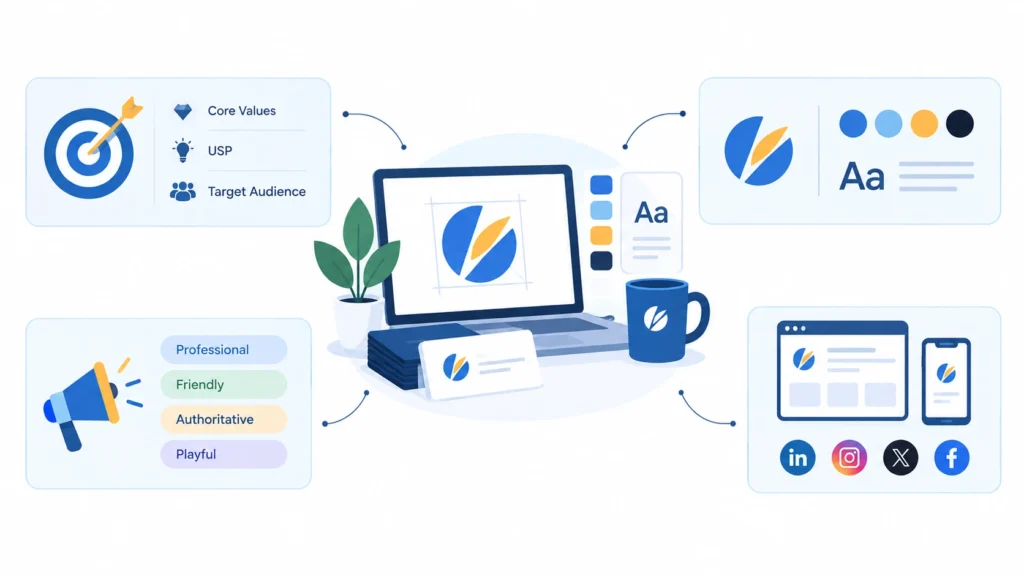
Building a strong brand identity is crucial for the success of your digital marketing agency. Your brand is more than just a logo or a tagline; it’s the overall perception that clients have of your agency. Start by defining your brand’s core values and unique selling proposition (USP). What sets your agency apart from the competition? What values do you want to communicate to your clients? By answering these questions, you can create a brand identity that resonates with your target audience.
Next, develop a cohesive visual identity that reflects your brand’s personality. This includes designing a logo, choosing a color palette, and selecting typography that aligns with your brand’s values. Consistency is key, so ensure that your visual elements are used consistently across all marketing materials, including your website, social media profiles, and promotional materials. A strong visual identity helps create a memorable impression and reinforces your brand’s credibility.
In addition to your visual identity, your brand’s voice and tone are equally important. Your brand voice is the way you communicate with your audience, while your tone is the emotional inflection applied to your voice. Whether your brand is professional, friendly, authoritative, or playful, maintaining a consistent voice and tone helps build trust and familiarity with your audience. By developing a strong brand identity, you can create a lasting impression and differentiate your agency in a competitive market.
Setting Up Your Online Presence
In the digital age, having a robust online presence is essential for any business, especially a digital marketing agency. Your website is the cornerstone of your online presence and serves as the primary touchpoint for potential clients. Ensure that your website is professionally designed, user-friendly, and optimized for search engines. This includes having a clear navigation structure, fast loading times, and mobile responsiveness. Additionally, create high-quality content that showcases your expertise and provides value to your audience.
Social media platforms are another critical component of your online presence. Choose the platforms that are most relevant to your target audience and industry. Whether it’s LinkedIn, Facebook, Twitter, or Instagram, maintain an active presence by regularly posting engaging content, interacting with your followers, and participating in industry discussions. Social media not only helps you connect with potential clients but also allows you to showcase your agency’s personality and build brand loyalty.
Moreover, consider leveraging email marketing to nurture leads and maintain relationships with your clients. Building an email list allows you to send targeted campaigns, share valuable content, and promote your services. Use email marketing software to automate your campaigns and track their performance. By integrating your website, social media, and email marketing efforts, you can create a cohesive online presence that attracts and retains clients.
Essential Tools and Software for Digital Marketing
To run a successful digital marketing agency, you’ll need a suite of essential tools and software that streamline your processes and enhance your productivity. One of the most critical tools is a customer relationship management (CRM) system. A CRM helps you manage your client interactions, track leads, and automate follow-ups. Popular CRM platforms include HubSpot, Salesforce, and Zoho CRM. By centralizing your client data, you can provide personalized service and build stronger relationships.
Another indispensable tool is project management software. Managing multiple campaigns and clients can be challenging, so having a project management system in place is essential. Tools like Trello, Asana, and Monday.com allow you to organize tasks, set deadlines, and collaborate with your team efficiently. These platforms help ensure that projects stay on track and that everyone is aligned with the agency’s goals.
Additionally, investing in analytics and reporting tools is crucial for measuring the success of your campaigns. Google Analytics is a powerful tool for tracking website traffic and user behavior. For social media analytics, tools like Hootsuite, Sprout Social, and Buffer provide valuable insights into your social media performance. Similarly, platforms like SEMrush and Moz offer comprehensive SEO analytics. By leveraging these tools, you can make data-driven decisions and demonstrate the value of your services to your clients.
Developing Your Service Offerings
Developing a comprehensive range of service offerings is essential for attracting and retaining clients. Start by identifying the core services that align with your agency’s expertise and the needs of your target audience. Common digital marketing services include SEO, content marketing, social media management, PPC advertising, email marketing, and web design. Offering a diverse range of services allows you to provide holistic solutions to your clients’ marketing challenges.
Once you’ve identified your core services, consider creating service packages that bundle multiple offerings together. This approach provides added value to your clients and simplifies the purchasing decision. For example, you could create a “Startup Package” that includes website design, SEO, and social media setup, or an “Growth Package” that focuses on content marketing and PPC advertising. Clearly define the deliverables and pricing for each package to ensure transparency and build trust with your clients.
Additionally, consider offering customized solutions based on your clients’ specific needs. Every business is unique, and a one-size-fits-all approach may not always be effective. By offering personalized strategies and tailored services, you can address your clients’ unique challenges and deliver better results. Regularly reviewing and updating your service offerings based on market trends and client feedback will ensure that your agency remains relevant and competitive.
Marketing Your Agency: Strategies for Success
To attract clients and grow your digital marketing agency, you need to implement effective marketing strategies. Start by leveraging your own digital marketing expertise to promote your agency. Optimize your website for search engines to increase organic traffic and generate leads. Create valuable content, such as blog posts, eBooks, and case studies, that showcases your knowledge and provides solutions to common marketing challenges. This not only positions you as an industry expert but also drives traffic to your website.
Networking is another powerful strategy for marketing your agency. Attend industry conferences, webinars, and networking events to connect with potential clients and industry professionals. Building relationships with other businesses can lead to referrals and collaborations. Additionally, consider joining local business organizations and online communities related to your niche. Active participation in these groups can help you establish credibility and gain visibility.
Moreover, don’t underestimate the power of word-of-mouth marketing. Encourage satisfied clients to leave reviews and testimonials on your website and social media profiles. Positive reviews can significantly influence potential clients’ decision-making process. Additionally, consider implementing a referral program that rewards clients for referring new business to your agency. By delivering exceptional service and fostering strong relationships, you can turn your clients into brand advocates who help promote your agency.
Legal Considerations and Business Structure

When launching a digital marketing agency, it’s essential to address legal considerations and establish a solid business structure. Start by deciding on the legal structure of your agency. Common options include sole proprietorship, partnership, limited liability company (LLC), and corporation. Each structure has its own legal and tax implications, so it’s important to choose the one that best suits your business goals and risk tolerance. Consulting with a legal professional or accountant can help you make an informed decision.
Next, register your business with the appropriate government authorities and obtain any necessary licenses or permits. This process varies depending on your location, so be sure to research the specific requirements for your area. Additionally, consider trademarking your agency’s name and logo to protect your brand identity. This prevents others from using similar names or logos that could confuse your clients.
It’s also important to draft contracts and agreements that outline the terms and conditions of your services. This includes client contracts, non-disclosure agreements (NDAs), and employee contracts if you plan to hire staff. Clearly defining the scope of work, payment terms, and confidentiality agreements can help prevent disputes and protect your agency’s interests. By addressing these legal considerations and establishing a strong business structure, you can ensure a smooth and compliant operation.
Measuring Success and Scaling Your Agency
Measuring the success of your digital marketing agency is crucial for continuous improvement and growth. Start by setting clear, measurable goals for your agency. These goals should align with your business objectives and be specific, achievable, and time-bound. For example, you might set a goal to acquire a certain number of new clients within a specific timeframe or to achieve a particular revenue target. Regularly tracking your progress towards these goals allows you to identify areas for improvement and celebrate your successes.
Key performance indicators (KPIs) are essential for measuring the effectiveness of your marketing efforts. Common KPIs for digital marketing agencies include website traffic, lead generation, conversion rates, client retention rates, and return on investment (ROI). Use analytics tools to gather data on these metrics and create detailed reports that provide insights into your agency’s performance. Regularly reviewing these reports helps you make data-driven decisions and optimize your strategies.
As your agency grows, consider scaling your operations to accommodate increased demand. This might involve hiring additional staff, expanding your service offerings, or investing in new technology and tools. However, scaling should be done strategically to ensure that you maintain the quality of your services. Focus on building a strong team, improving your processes, and enhancing your client relationships. By continuously measuring your success and making informed decisions, you can scale your agency sustainably and achieve long-term growth.
Conclusion
Launching a digital marketing agency is an exciting and rewarding endeavor. By understanding the digital marketing landscape, identifying your niche, crafting a solid business plan, building a strong brand identity, and setting up your online presence, you can establish a successful agency. Leveraging essential tools, developing comprehensive service offerings, and implementing effective marketing strategies will help you attract clients and grow your business. Addressing legal considerations and continuously measuring your success will ensure that your agency operates smoothly and scales sustainably. With dedication, creativity, and a strategic approach, you can turn your passion for digital marketing into a thriving agency that delivers exceptional results for your clients.