

Unleash your marketing potential in 2026 with these 10 must-have digital marketing tools. Stay ahead of the competition and drive real results!
Importance of Choosing the Right Tools
In the dynamic landscape of digital marketing, the right tools can make or break your strategy. As we look toward 2026, the importance of leveraging the best digital marketing tools cannot be overstated. With the rapid pace of technological advancements and the ever-evolving consumer behaviors, marketers need to stay ahead of the curve to drive meaningful results. Choosing the right tools helps streamline processes, enhance productivity, and ultimately, amplify your marketing efforts.
Selecting the appropriate tools for your digital marketing arsenal ensures that you are not only efficient but also effective. The right tools can provide you with valuable insights, automate repetitive tasks, and enable you to focus on crafting compelling strategies. Moreover, they can help you keep track of your performance, identify areas for improvement, and make data-driven decisions that propel your business forward. In essence, the right digital marketing tools act as the backbone of your campaign, providing the support and agility needed to navigate the complex digital landscape.
Furthermore, investing in the right tools fosters a culture of continuous improvement and innovation within your marketing team. It empowers your team to experiment, learn, and adapt to new trends and technologies, ensuring that your strategies remain relevant and impactful. As we delve into the must-have digital marketing tools for 2026, it is crucial to understand that these tools are not just nice-to-haves but essential components of a robust and successful marketing strategy.
Tool 1: SEO Optimization Tools
Search Engine Optimization (SEO) remains a cornerstone of digital marketing, and having the right SEO tools is paramount to your success in 2026. SEO optimization tools help you enhance your website’s visibility on search engines, drive organic traffic, and improve your overall online presence. One of the most popular and effective SEO tools is Ahrefs. This tool offers comprehensive features, including keyword research, backlink analysis, and site audits, allowing you to identify and fix SEO issues on your website.
Another indispensable SEO tool is SEMrush. Known for its robust keyword research capabilities, SEMrush also provides competitive analysis, site auditing, and social media tracking. Its all-in-one platform helps you uncover valuable insights about your competitors’ strategies, identify opportunities for growth, and optimize your content for better search engine rankings. Additionally, SEMrush’s user-friendly interface and detailed reports make it an excellent choice for both beginners and experienced marketers.
Google Search Console is another essential tool for SEO optimization. As a free tool provided by Google, it offers invaluable insights into how your website is performing in search results. It helps you monitor and maintain your site’s presence on Google, identify and fix errors, and understand which queries drive traffic to your site. By leveraging these SEO optimization tools, you can ensure that your website is well-optimized, ranks higher in search results, and attracts more organic traffic.
Tool 2: Content Creation and Management Tools
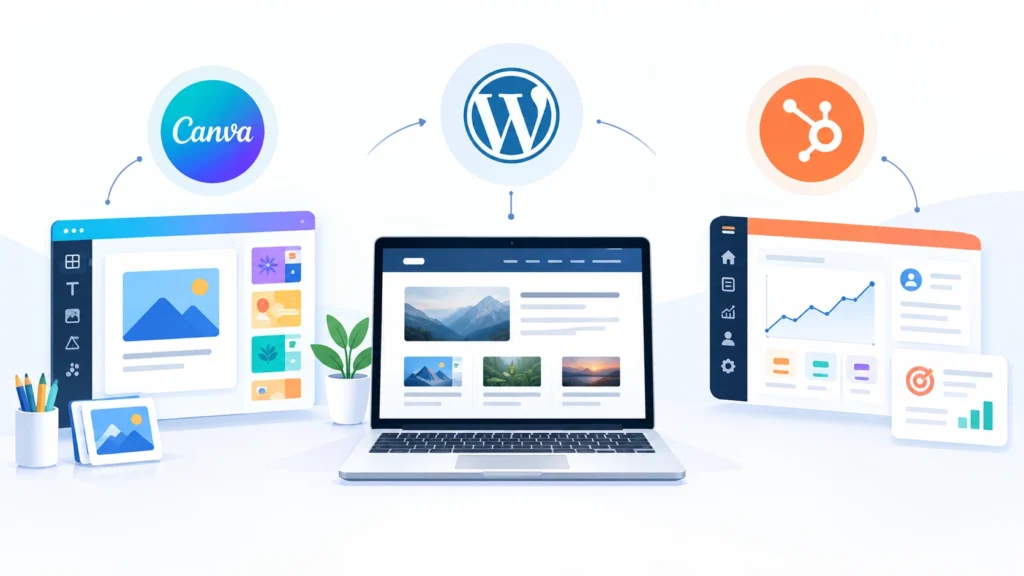
Content is king, and having the right tools for content creation and management is crucial for any digital marketing strategy. One of the most powerful content creation tools is Canva. Canva enables marketers to create stunning visuals, infographics, and social media graphics with ease. Its drag-and-drop interface, extensive library of templates, and customization options make it accessible to users of all skill levels, allowing you to produce professional-quality content that resonates with your audience.
For managing your content, a tool like WordPress is indispensable. WordPress is a versatile content management system (CMS) that powers a significant portion of the web. It offers a wide range of themes, plugins, and customization options, enabling you to create and manage your website content effectively. Whether you’re running a blog, an e-commerce site, or a corporate website, WordPress provides the flexibility and functionality needed to keep your content organized and engaging.
Another valuable tool for content management is HubSpot’s Content Management System. HubSpot CMS combines content creation, optimization, and personalization in one platform. It allows you to create and manage your website content, optimize it for search engines, and deliver personalized experiences to your visitors. With its integrated analytics and reporting features, HubSpot CMS helps you measure the performance of your content and make data-driven decisions to enhance your content strategy.
Tool 3: Social Media Management Tools
Social media is a vital component of any digital marketing strategy, and having the right social media management tools can significantly enhance your efforts. One of the leading social media management tools is Hootsuite. Hootsuite allows you to manage multiple social media accounts from a single dashboard, schedule posts in advance, and monitor your social media performance. Its robust analytics and reporting features provide valuable insights into your social media campaigns, helping you optimize your strategy for better engagement and reach.
Another excellent tool for social media management is Buffer. Buffer simplifies the process of scheduling and publishing content across various social media platforms. Its user-friendly interface, powerful analytics, and team collaboration features make it an ideal choice for marketers looking to streamline their social media efforts. Buffer also offers a browser extension that allows you to curate and share content directly from the web, ensuring that your social media feeds remain fresh and engaging.
Sprout Social is another top-tier social media management tool that deserves mention. Sprout Social offers comprehensive features, including social media scheduling, monitoring, and analytics. Its intuitive interface, advanced reporting capabilities, and powerful social listening tools enable you to understand your audience better, engage with them effectively, and measure the impact of your social media efforts. By leveraging these social media management tools, you can enhance your social media presence, build stronger connections with your audience, and drive meaningful results.
Tool 4: Email Marketing Platforms
Email marketing remains one of the most effective channels for reaching and engaging your audience. To maximize the potential of your email marketing campaigns, it is essential to use the right email marketing platforms. One of the most popular and powerful email marketing tools is Mailchimp. Mailchimp offers a wide range of features, including email design templates, automation, segmentation, and analytics. Its user-friendly interface and drag-and-drop editor make it easy to create visually appealing emails that resonate with your audience.
Another excellent email marketing platform is Constant Contact. Known for its ease of use and comprehensive features, Constant Contact allows you to create, send, and track email campaigns with ease. It offers customizable templates, powerful automation, and robust reporting tools that help you understand the performance of your campaigns. Constant Contact also provides integration with various other marketing tools, enabling you to create a seamless and cohesive marketing strategy.
HubSpot’s email marketing platform is another top choice for marketers. HubSpot offers a full suite of email marketing tools, including customizable templates, advanced automation, and detailed analytics. Its integration with HubSpot’s CRM and marketing automation platform allows you to create highly personalized and targeted email campaigns. By using these email marketing platforms, you can build stronger relationships with your audience, drive higher engagement, and achieve better results from your email marketing efforts.
Tool 5: Analytics and Reporting Tools
To make informed decisions and optimize your digital marketing efforts, it is crucial to have access to reliable analytics and reporting tools. One of the most widely used analytics tools is Google Analytics. Google Analytics provides comprehensive insights into your website’s performance, including traffic sources, user behavior, and conversion rates. Its powerful reporting features allow you to track key metrics, set goals, and measure the effectiveness of your marketing campaigns.
Another valuable analytics tool is Adobe Analytics. Adobe Analytics offers advanced data analysis and visualization capabilities, enabling you to gain deeper insights into your customer journeys. Its robust segmentation and attribution features help you understand the impact of your marketing efforts across various channels. Adobe Analytics also integrates with other Adobe Marketing Cloud products, providing a unified view of your marketing performance.
For more specialized analytics, tools like Kissmetrics and Mixpanel offer valuable insights into user behavior and engagement. Kissmetrics focuses on tracking individual user interactions and providing detailed reports on user behavior, helping you identify trends and optimize your marketing strategies. Mixpanel, on the other hand, offers advanced event tracking and funnel analysis, allowing you to understand how users interact with your product or service. By leveraging these analytics and reporting tools, you can make data-driven decisions, optimize your marketing efforts, and achieve better results.
Tool 6: Customer Relationship Management (CRM) Software
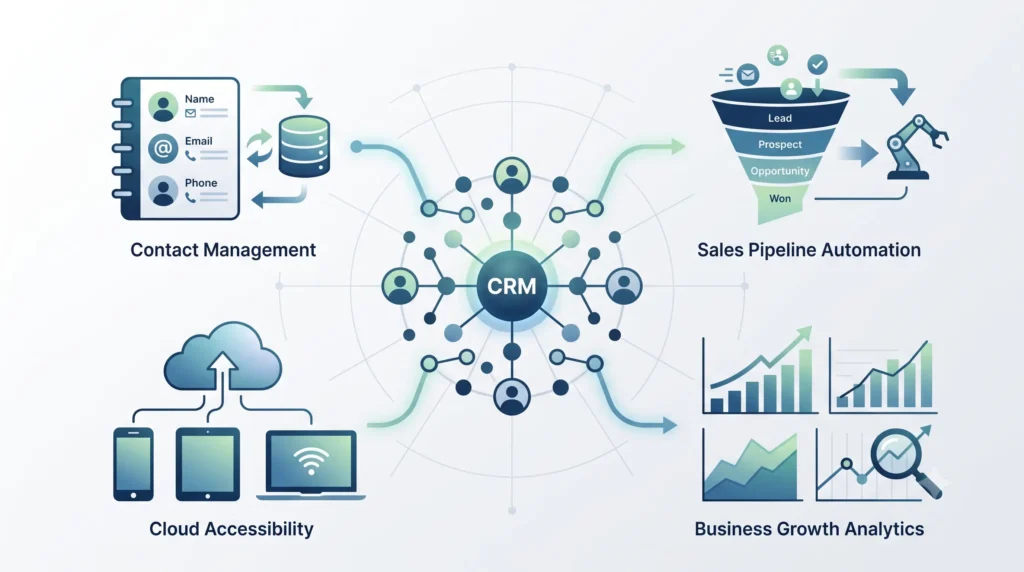
Effective customer relationship management is essential for building and maintaining strong relationships with your customers. CRM software helps you manage your interactions with customers, streamline your sales processes, and improve customer satisfaction. One of the most popular CRM tools is Salesforce. Salesforce offers a comprehensive suite of CRM features, including contact management, sales automation, and analytics. Its cloud-based platform allows you to access your CRM data from anywhere, making it easy to stay connected with your customers.
Another excellent CRM tool is HubSpot CRM. HubSpot CRM is known for its ease of use and powerful features, including contact management, email tracking, and sales automation. Its integration with HubSpot’s marketing and sales platforms allows you to create a seamless and cohesive customer experience. HubSpot CRM also offers a free version, making it an accessible option for businesses of all sizes.
Zoho CRM is another top choice for customer relationship management. Zoho CRM offers a wide range of features, including lead management, sales automation, and analytics. Its customizable interface and integration with other Zoho products make it a versatile and powerful CRM solution. By using these CRM tools, you can improve your customer relationships, streamline your sales processes, and drive better results for your business.
Tool 7: Paid Advertising Tools
Paid advertising is a crucial component of any digital marketing strategy, and having the right tools can significantly enhance your efforts. One of the most popular paid advertising tools is Google Ads. Google Ads allows you to create and manage pay-per-click (PPC) campaigns, targeting specific keywords and demographics. Its robust analytics and reporting features help you track the performance of your campaigns and optimize them for better results.
Another excellent paid advertising tool is Facebook Ads Manager. Facebook Ads Manager allows you to create and manage ads across Facebook and Instagram. Its advanced targeting options, including custom audiences and lookalike audiences, help you reach your ideal customers. Facebook Ads Manager also offers detailed analytics and reporting, allowing you to measure the performance of your campaigns and make data-driven decisions.
LinkedIn Ads is another valuable tool for paid advertising, especially for B2B marketers. LinkedIn Ads allows you to create and manage ads targeting professionals based on their job titles, industries, and other demographics. Its robust analytics and reporting features help you understand the impact of your campaigns and optimize them for better results. By leveraging these paid advertising tools, you can reach your target audience, drive more traffic to your website, and achieve better results from your digital marketing efforts.
Conclusion: Elevating Your Digital Marketing Strategy in 2026
As we look toward 2026, the importance of leveraging the right digital marketing tools cannot be overstated. The tools mentioned in this article are not just nice-to-haves but essential components of a robust and successful marketing strategy. From SEO optimization and content creation to social media management, email marketing, analytics, CRM, and paid advertising, these tools provide the support and agility needed to navigate the complex digital landscape.
Investing in the right tools helps streamline processes, enhance productivity, and ultimately, amplify your marketing efforts. It empowers your team to experiment, learn, and adapt to new trends and technologies, ensuring that your strategies remain relevant and impactful. By leveraging these must-have digital marketing tools, you can stay ahead of the competition, drive meaningful results, and elevate your digital marketing strategy in 2026 and beyond.
In conclusion, the digital marketing landscape is constantly evolving, and staying ahead requires continuous learning and adaptation. By choosing the right tools and integrating them into your marketing strategy, you can unlock new opportunities, drive real results, and achieve success in 2026. Whether you’re a seasoned marketer or just starting, the tools mentioned in this article will provide you with the foundation and support needed to thrive in the digital world. Embrace these tools, and watch your marketing efforts soar to new heights.