
Unlocking the Future: 5 Innovative AI Strategies to Transform Your Digital Marketing in 2025
As we approach 2025, the digital marketing landscape is on the brink of a monumental evolution, driven by innovative AI strategies that promise to reshape how brands connect with consumers. Gone are the days of one-size-fits-all campaigns; today’s marketers must embrace advanced technologies that offer personalized experiences, predictive insights, and seamless automation. This article explores five transformative AI strategies that will not only enhance customer engagement but also drive impressive ROI. From harnessing machine learning for hyper-targeted ads to leveraging natural language processing for customer interactions, discover how these cutting-edge techniques can place your brand at the forefront of the digital marketing revolution. Prepare to unlock the future and elevate your marketing game like never before!
The Importance of Innovation in 2025
As we edge closer to 2025, the digital marketing landscape is undergoing a profound transformation fueled by the rapid advancements in artificial intelligence (AI). The future of marketing lies in the ability to leverage cutting-edge technologies to create more personalized, efficient, and impactful campaigns. Innovation is no longer a luxury but a necessity for brands aiming to stay competitive in an increasingly saturated market. With AI at the forefront of this revolution, marketers have the tools to unlock unprecedented levels of customer engagement and return on investment (ROI).
The importance of innovation in 2025 cannot be overstated, as consumer expectations continue to evolve at a breakneck pace. Today’s consumers demand seamless, relevant, and personalized experiences across all touchpoints. They expect brands to understand their preferences and anticipate their needs, delivering content that resonates on a personal level. AI enables marketers to meet these expectations by providing insights and automation capabilities that were previously unimaginable.
Moreover, the competitive landscape in digital marketing is fiercer than ever. Brands that fail to innovate and adopt AI-driven strategies risk falling behind their more agile competitors. By embracing AI, marketers can gain a strategic advantage, optimizing their campaigns, improving customer interactions, and ultimately driving business growth. In this article, we will explore five innovative AI strategies that are set to transform digital marketing in 2025, setting the stage for a future where technology and creativity converge to deliver extraordinary results.
Strategy 1: Predictive Analytics for Customer Insights
Predictive analytics is one of the most powerful AI strategies available to digital marketers today. By analyzing vast amounts of data, predictive analytics can forecast future customer behavior, enabling brands to make data-driven decisions with greater accuracy and confidence. This AI technology uses machine learning algorithms to identify patterns and trends, providing valuable insights into customer preferences, purchasing habits, and potential churn rates.
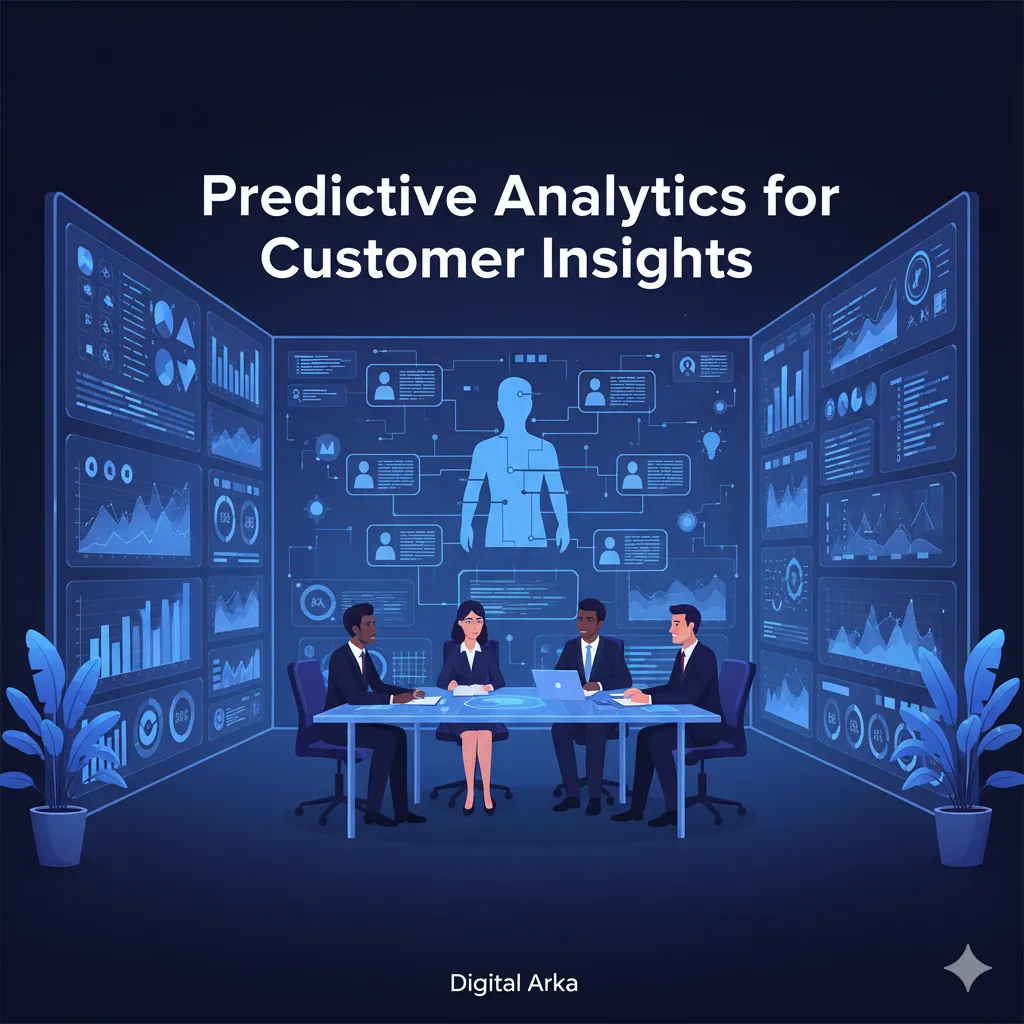
One of the key benefits of predictive analytics is its ability to enhance targeting and segmentation. By understanding which customers are most likely to convert, marketers can allocate their resources more effectively, focusing on high-value segments that offer the greatest potential for ROI. For businesses looking to improve their online presence, understanding WHAT IS SEO IN DIGITAL MARKETING can complement predictive analytics by ensuring that marketing messages reach the right audience at the right time through optimized content and strategies.
Furthermore, predictive analytics can help marketers anticipate and mitigate potential issues before they arise. For example, by identifying customers who are at risk of churning, brands can proactively implement retention strategies to keep them engaged. This could involve personalized offers, loyalty programs, or targeted communication to address specific pain points. By leveraging predictive analytics, marketers can stay ahead of the curve, delivering more relevant and impactful campaigns that drive customer loyalty and business success.
Strategy 2: Personalized Content Creation using AI
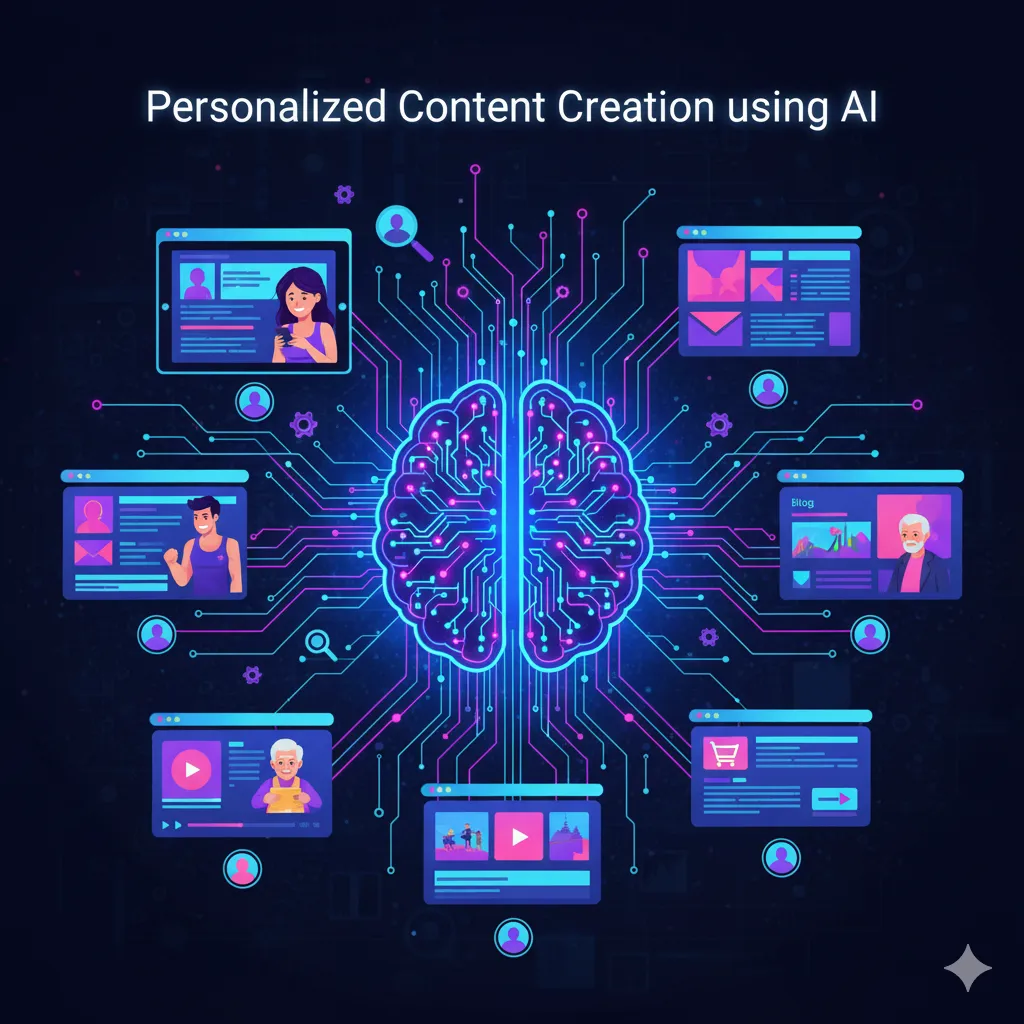
Personalization has become a cornerstone of effective digital marketing, and AI is taking it to new heights with advanced content creation capabilities. By partnering with a reliable SEO provider in Delhi, businesses can leverage AI-powered tools to analyze customer data and generate highly personalized content that resonates with individual preferences and behaviors. This goes beyond simple demographic targeting, allowing brands to create content that speaks directly to the unique needs and interests of each customer.

One of the most exciting applications of AI in content creation is natural language generation (NLG). An expert SEO Provider can use NLG algorithms to produce human-like text based on specified inputs, enabling marketers to generate personalized emails, social media posts, and even blog articles at scale. This not only saves time and resources but also ensures that content is relevant and engaging for each recipient. By using AI to create personalized content, brands can foster deeper connections with their audience and drive higher engagement rates.
In addition to text-based content, AI can also be used to personalize visual content. Image recognition and machine learning algorithms can analyze customer preferences to recommend or generate images that are likely to resonate with specific segments. For example, an e-commerce brand could use AI to create personalized product recommendations with images tailored to each customer’s style and preferences. By leveraging AI for personalized content creation, marketers can deliver more compelling and effective campaigns that drive conversions and build brand loyalty.
Strategy 3: Chatbots and Conversational Marketing
Chatbots and conversational marketing represent a significant leap forward in customer engagement, offering real-time, personalized interactions that enhance the overall customer experience. AI-powered chatbots can handle a wide range of tasks, from answering frequently asked questions to assisting with product recommendations and completing transactions. These virtual assistants are available 24/7, providing instant support and ensuring that customers receive timely and relevant information.
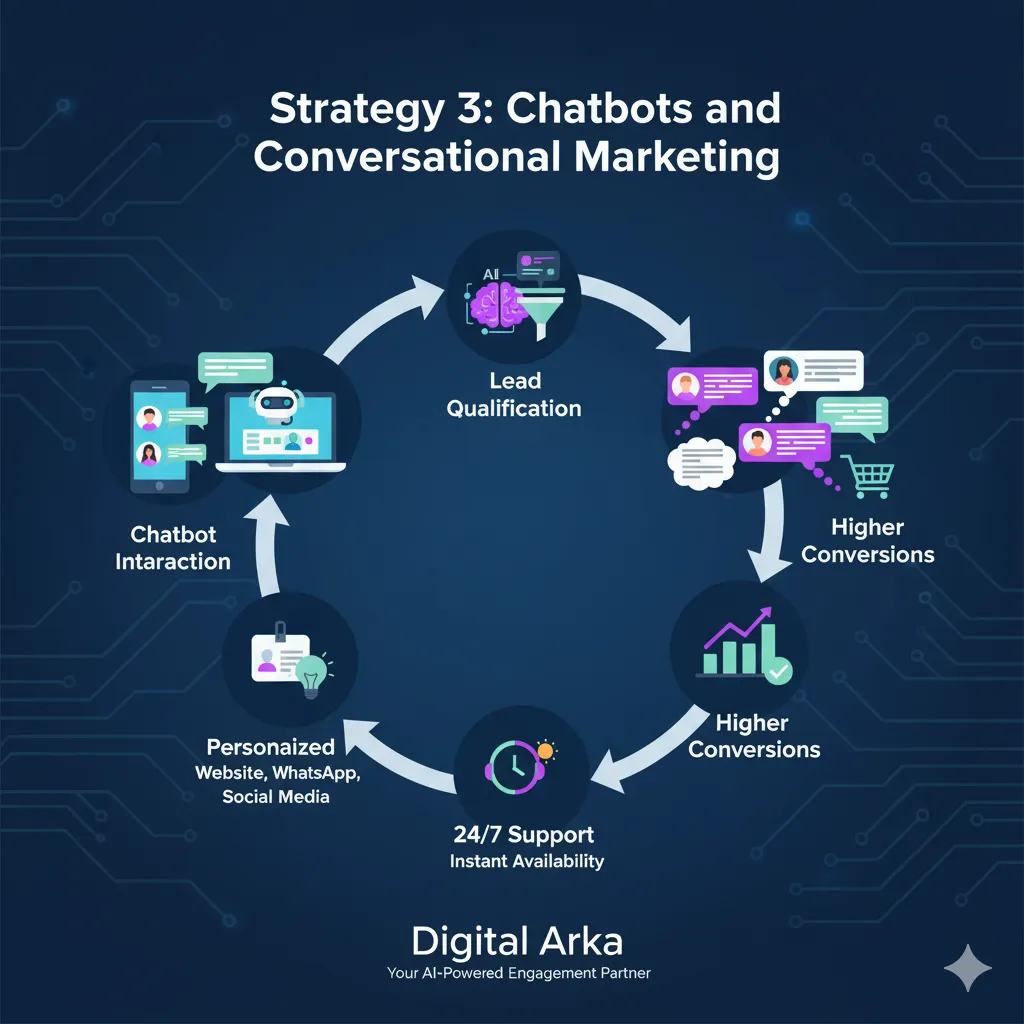
One of the key advantages of chatbots is their ability to provide a seamless and consistent experience across multiple channels. Whether a customer is interacting with a brand on its website, through a mobile app, or via social media, chatbots can deliver a unified and personalized experience. This omnichannel approach ensures that customers receive consistent messaging and support, regardless of the platform they are using.
Moreover, chatbots can collect and analyze customer data in real-time, providing valuable insights that can be used to optimize marketing strategies. By understanding customer preferences and behaviors, chatbots can deliver more relevant and personalized interactions, driving higher engagement and satisfaction. Additionally, chatbots can handle multiple interactions simultaneously, making them a cost-effective solution for scaling customer support and marketing efforts. As we move towards 2025, the adoption of AI-powered chatbots and conversational marketing will be crucial for brands looking to enhance customer engagement and drive business growth.
Strategy 4: AI-Powered SEO Techniques
Search engine optimization (SEO) is a critical component of digital marketing, and AI is revolutionizing the way brands approach SEO strategies. AI-powered tools can analyze vast amounts of data to identify trends, optimize content, and improve search rankings. By leveraging machine learning algorithms, marketers can gain a deeper understanding of search engine behavior and user intent, allowing them to create more effective SEO strategies.

One of the primary applications of AI in SEO is keyword research. AI-powered tools can analyze search data to identify high-performing keywords and phrases, as well as uncover emerging trends that may not be immediately apparent. This allows marketers to optimize their content for the most relevant and valuable keywords, improving their chances of ranking higher in search engine results pages (SERPs). Additionally, AI can help identify long-tail keywords that are often less competitive but highly targeted, providing opportunities for niche marketing.
AI can also enhance on-page SEO by analyzing content for relevance, readability, and keyword density. Natural language processing (NLP) algorithms can assess the quality of content and provide recommendations for improvement, ensuring that it aligns with search engine guidelines and user expectations. Furthermore, AI-powered tools can monitor website performance and identify technical issues that may impact search rankings, such as broken links, slow load times, and mobile-friendliness. By leveraging AI for SEO, marketers can stay ahead of the competition and drive organic traffic to their websites.
Strategy 5: Enhanced Data Analysis for Campaign Optimization
Data analysis is at the heart of effective digital marketing, and AI is taking it to the next level with advanced analytics capabilities. AI-powered tools can process and analyze vast amounts of data in real-time, providing marketers with actionable insights that can be used to optimize campaigns and improve performance. By leveraging AI for data analysis, brands can make more informed decisions, allocate resources more effectively, and achieve better results.
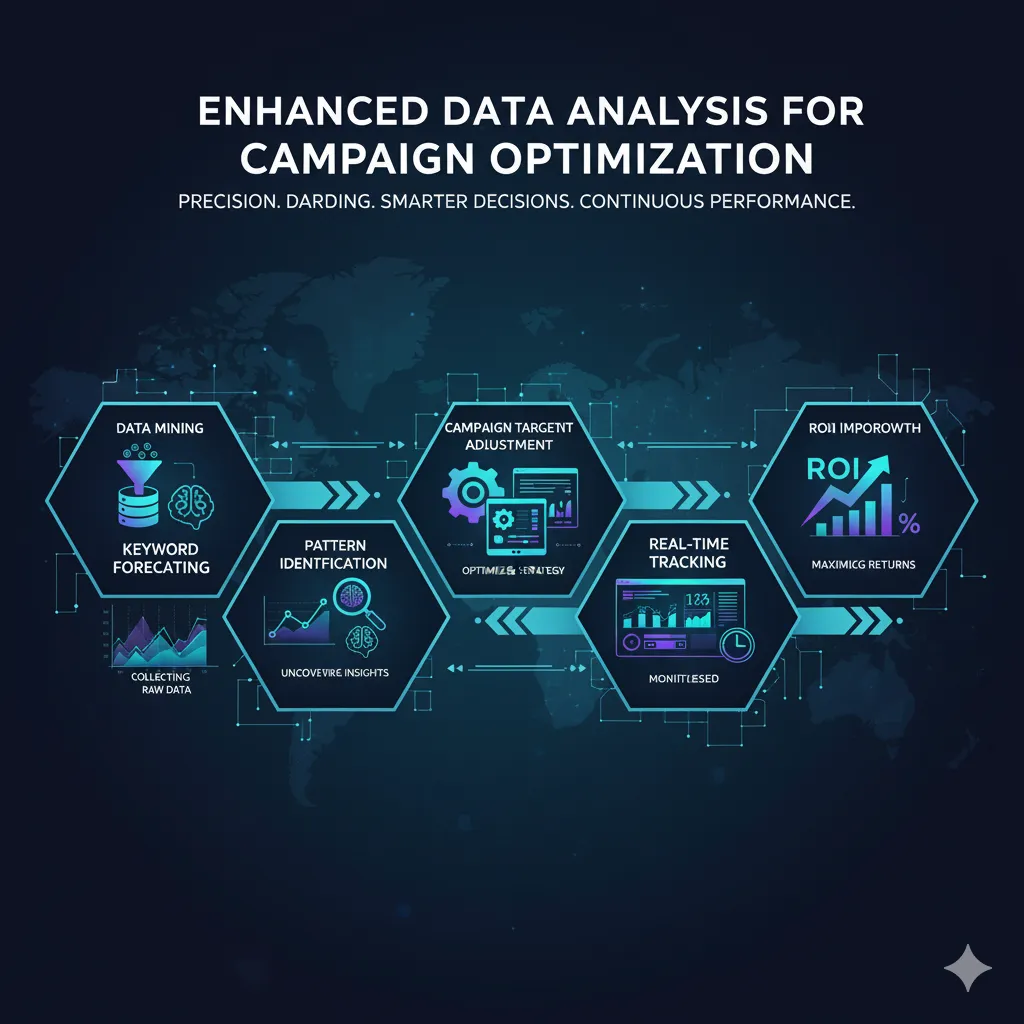
One of the key benefits of AI-powered data analysis is its ability to identify patterns and trends that may not be immediately apparent. A Best Local SEO Agency in Delhi can leverage machine learning algorithms to analyze customer behavior, preferences, and interactions to uncover insights that inform marketing strategies. For example, AI can identify which marketing channels are most effective for reaching specific segments, allowing brands to allocate their budgets more efficiently. Additionally, AI can analyze the performance of different campaign elements, such as ad creatives, landing pages, and email subject lines, to determine what resonates most with the audience.

AI-powered data analysis can also enhance campaign optimization by providing real-time feedback and recommendations. Marketers can use AI to monitor campaign performance and make adjustments on the fly, ensuring that they are maximizing their ROI. For example, AI can identify underperforming ads and suggest changes to improve their effectiveness, or recommend adjustments to targeting criteria based on real-time data. By leveraging AI for enhanced data analysis, marketers can optimize their campaigns more effectively and drive better results.

Case Studies: Successful Implementation of AI Strategies
To illustrate the transformative potential of AI in digital marketing, let’s explore a few case studies of brands that have successfully implemented AI strategies. These examples demonstrate how AI can be used to enhance customer engagement, drive conversions, and achieve impressive ROI.
One notable example is Sephora, a global beauty retailer that has leveraged AI to create personalized shopping experiences for its customers. Sephora’s AI-powered chatbot, Sephora Virtual Artist, uses facial recognition technology to analyze customers’ facial features and recommend products that suit their unique needs. The chatbot also provides virtual try-on capabilities, allowing customers to see how different products will look on their skin before making a purchase. This personalized approach has helped Sephora increase customer satisfaction and drive sales.
Another example is Netflix, which uses AI to deliver personalized content recommendations to its users. Netflix’s recommendation algorithm analyzes user behavior, such as viewing history and ratings, to suggest movies and TV shows that are likely to be of interest. This personalized approach has been instrumental in driving user engagement and retention, as customers are more likely to continue using the service when they receive relevant and appealing content recommendations.
A third example is Coca-Cola, which has used AI to optimize its marketing campaigns and improve customer interactions. Coca-Cola’s AI-powered analytics platform, MarTech, analyzes customer data to identify trends and insights that inform marketing strategies. By integrating SEO, GEO, AEO and SXO principles, the platform also uses machine learning algorithms to optimize ad placements and targeting, ensuring that campaigns reach the right audience at the right time. This data-driven approach has helped Coca-Cola improve the effectiveness of its marketing efforts and drive better ROI.
Challenges and Considerations in Adopting AI
While the potential benefits of AI in digital marketing are immense, there are also several challenges and considerations that brands must address when adopting AI strategies. One of the primary challenges is the need for high-quality data. AI algorithms rely on large volumes of accurate and relevant data to deliver meaningful insights and predictions. Brands must invest in data collection and management processes to ensure that they have access to the data needed to power their AI initiatives.
Another challenge is the complexity of AI implementation. Developing and deploying AI-powered tools and algorithms requires specialized knowledge and skills that may not be readily available within an organization. Brands may need to invest in training and development programs to build their in-house AI capabilities, or partner with external experts to support their AI initiatives. Additionally, integrating AI tools with existing marketing systems and processes can be complex and time-consuming.
Privacy and ethical considerations are also critical when adopting AI in digital marketing. Brands must ensure that they are using customer data responsibly and in compliance with relevant regulations, such as the General Data Protection Regulation (GDPR) and the California Consumer Privacy Act (CCPA). This includes obtaining explicit consent from customers before collecting and using their data, as well as implementing robust security measures to protect data from unauthorized access. By addressing these challenges and considerations, brands can successfully leverage AI to transform their digital marketing efforts.
Conclusion: Embracing AI for Future Success in Digital Marketing
As we look ahead to 2025, it is clear that AI will play a pivotal role in shaping the future of digital marketing. By embracing innovative AI strategies, brands can unlock new levels of personalization, efficiency, and effectiveness, driving customer engagement and business growth. From predictive analytics and personalized content creation to chatbots, AI-powered SEO, and enhanced data analysis, the possibilities are endless.
To stay competitive in the ever-evolving digital landscape, brands must be willing to invest in AI technologies and build their AI capabilities. This includes collecting and managing high-quality data, developing and deploying AI-powered tools, and addressing privacy and ethical considerations. By taking a proactive approach to AI adoption, brands can position themselves at the forefront of the digital marketing revolution and achieve long-term success.
In conclusion, the future of digital marketing lies in the ability to leverage AI to create more personalized, efficient, and impactful campaigns. By embracing AI strategies, brands can enhance customer engagement, drive impressive ROI, and stay ahead of the competition. As we move towards 2025, now is the time to unlock the potential of AI and elevate your marketing game like never before. The future is bright, and the opportunities are limitless – it’s time to embrace AI and transform your digital marketing efforts for the better.
Grow your business with Digital Arka — boost your online presence and Google visibility with our trusted GMB profile.
Frequently Asked Questions
What are AI strategies in digital marketing?
AI strategies use artificial intelligence to optimize campaigns, personalize content, and improve targeting.
How can AI improve my marketing ROI?
AI analyzes customer data to predict trends, optimize ad spend, and increase conversions efficiently.
What tools are used for AI in digital marketing?
Tools include AI-powered analytics, chatbots, predictive algorithms, and natural language generation (NLG) platforms.
Can AI help with content creation?
Yes, AI can generate personalized emails, social media posts, and blog content at scale.
Why should I hire a Digital Marketing Expert for AI strategies?
A professional ensures AI tools are effectively implemented, campaigns are optimized, and business goals are met.

