

Dive into the world of blogging within digital marketing! Discover strategies, tips, and insights to elevate your content and engage your audience effectively.
The Role of Blogging in Digital Marketing
Blogging has evolved from a mere online journal to a cornerstone of digital marketing strategy, playing an indispensable role in shaping a brand’s online presence. For businesses, a well-crafted blog can serve as a powerful tool to connect with their audience, share valuable information, and establish authority in their industry. By regularly publishing quality content, companies can attract and engage potential customers, driving traffic to their websites and ultimately increasing conversions.
The content within a blog can address various stages of the customer journey, from awareness to decision-making. By offering informative articles, how-to guides, and industry insights, businesses can nurture leads and build trust with their audience. Moreover, blogs provide an opportunity to showcase expertise, demonstrating a brand’s knowledge and commitment to solving customer problems. This, in turn, positions the brand as a thought leader and a go-to resource within its niche.
In the ever-evolving landscape of digital marketing, staying relevant and visible is crucial. Blogging helps businesses achieve this by improving their search engine optimization (SEO) efforts. Search engines favor websites that consistently produce fresh, high-quality content. By incorporating targeted keywords and optimizing blog posts for SEO, companies can enhance their search engine rankings, making it easier for potential customers to find them online. Ultimately, blogging is not just about sharing content; it’s about strategically leveraging that content to drive business growth.
Benefits of Blogging for Businesses
The benefits of blogging for businesses are multifaceted, impacting various aspects of brand growth and customer engagement. One of the most significant advantages is the boost in website traffic. Every new blog post creates an opportunity for a business to appear in search engine results and attract new visitors. Over time, a well-maintained blog can become a substantial source of organic traffic, reducing the reliance on paid advertising and other costly marketing tactics.
Blogging also enhances customer engagement by providing a platform for businesses to communicate directly with their audience. Readers can leave comments, ask questions, and share posts on social media, fostering a sense of community and encouraging two-way interaction. This engagement not only strengthens relationships with existing customers but also attracts new ones, as word-of-mouth recommendations and social shares help expand the brand’s reach.
Another crucial benefit of blogging is its impact on brand authority and credibility. Regularly publishing insightful and well-researched content allows businesses to demonstrate their expertise and industry knowledge. This positions the brand as a trusted source of information, which can significantly influence purchasing decisions. Customers are more likely to buy from companies they perceive as knowledgeable and reliable, making blogging an effective tool for building long-term customer loyalty.
Key Components of a Successful Blog
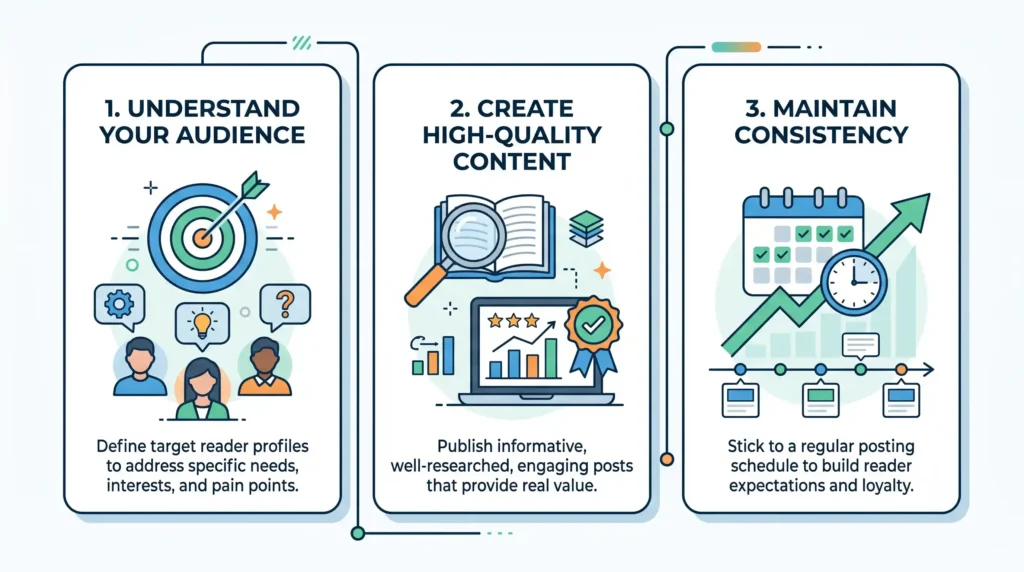
Creating a successful blog involves more than just writing and publishing articles. Several key components must come together to ensure that the blog effectively engages the audience and supports the business’s digital marketing goals. One of the fundamental elements is understanding and defining the target audience. Knowing who you are writing for allows you to tailor your content to address their specific needs, interests, and pain points, making your blog more relevant and valuable to readers.
Another critical component is the quality of the content. High-quality blog posts are informative, well-researched, and engaging. They provide readers with valuable insights, practical advice, or entertaining narratives that keep them coming back for more. Additionally, well-written content is more likely to be shared on social media, increasing the blog’s visibility and attracting new readers. To maintain quality, it’s important to invest time in thorough research, careful editing, and professional writing.
Consistency is also vital for blogging success. Regularly publishing new content keeps the audience engaged and signals to search engines that the website is active and up-to-date. A consistent posting schedule helps build reader expectations and loyalty, as they come to anticipate new content at specific intervals. Planning and sticking to a content calendar can ensure that posts are published on time and that the blog remains a reliable source of information for its audience.
How to Choose the Right Blogging Platform
Selecting the right blogging platform is a crucial decision that can significantly impact the success of your blog. With numerous options available, it’s important to consider factors such as ease of use, customization capabilities, and the specific needs of your business. Popular platforms like WordPress, Blogger, and Medium each offer unique features and advantages, making them suitable for different types of bloggers and businesses.
WordPress is one of the most popular blogging platforms, known for its flexibility and extensive customization options. With thousands of themes and plugins available, it allows users to create highly personalized blogs that reflect their brand identity. WordPress is also SEO-friendly, providing built-in tools and plugins to optimize content for search engines. However, it may require some technical knowledge to fully utilize its capabilities, making it more suitable for users with a bit of experience or those willing to invest time in learning.
Blogger, on the other hand, is a simpler, more user-friendly platform that is ideal for beginners. It offers basic customization options and an easy-to-navigate interface, allowing users to quickly set up and start blogging. While it may lack the advanced features of WordPress, Blogger is a great choice for those looking to start a blog with minimal hassle. Medium, another popular platform, focuses on content rather than customization. It offers a clean, minimalist design and a built-in audience, making it an excellent choice for writers who want to reach a broader readership without worrying about design and technical details.
Crafting Engaging and SEO-Friendly Blog Content
Creating engaging and SEO-friendly blog content is essential for attracting and retaining readers while improving search engine rankings. The first step in this process is conducting thorough keyword research to identify the terms and phrases your target audience is searching for. Incorporating these keywords naturally into your blog posts helps search engines understand the content and rank it higher in search results. However, it’s important to strike a balance and avoid keyword stuffing, as this can negatively impact readability and SEO.
Once you have your keywords, focus on crafting compelling headlines that grab readers’ attention and entice them to click. A strong headline is crucial for driving traffic, as it’s often the first thing potential readers see. Use powerful, action-oriented language and incorporate numbers or questions to make your headlines more intriguing. Additionally, ensure that your headlines accurately reflect the content of the post to maintain trust and avoid disappointing readers.
The body of your blog post should be well-structured, with clear headings and subheadings to guide readers through the content. Break up large blocks of text with bullet points, numbered lists, and images to make the content more digestible and visually appealing. Engaging content is also conversational and relatable, addressing the reader directly and encouraging interaction. Including a call-to-action (CTA) at the end of your post can prompt readers to leave comments, share the post, or explore other content on your site, further boosting engagement.
The Importance of Consistency in Blogging
Consistency is a cornerstone of successful blogging, playing a critical role in building and maintaining an engaged audience. Regularly publishing new content keeps readers coming back to your blog, as they know they can expect fresh, valuable information at consistent intervals. This predictability helps build reader loyalty and trust, as they come to rely on your blog as a dependable source of insights and updates.
Consistency also benefits your blog’s SEO efforts. Search engines favor websites that are regularly updated with new content, as it signals that the site is active and relevant. By maintaining a consistent posting schedule, you increase the likelihood of search engines crawling and indexing your site more frequently, which can improve your search engine rankings over time. This, in turn, makes it easier for potential readers to discover your blog through organic search.
To achieve consistency, it’s essential to develop a content calendar that outlines your posting schedule and planned topics. This helps you stay organized and ensures that you always have a pipeline of content ideas ready to go. Additionally, creating a mix of evergreen and timely content can help maintain a steady flow of posts. Evergreen content remains relevant and valuable over time, while timely content addresses current trends and events, providing a balance that keeps your blog fresh and engaging.
Promoting Your Blog: Strategies for Increased Visibility
Creating high-quality blog content is just the first step; promoting your blog is equally important to ensure it reaches a broader audience. One effective strategy for increasing visibility is leveraging social media platforms. Sharing your blog posts on social media channels like Facebook, Twitter, LinkedIn, and Instagram can drive traffic to your blog and engage your followers. Tailor your social media posts to each platform, using eye-catching images, compelling headlines, and relevant hashtags to maximize reach and engagement.
Another powerful promotion strategy is email marketing. Building an email list of subscribers who are interested in your content allows you to send newsletters and updates directly to their inboxes. This not only drives traffic to your blog but also helps nurture relationships with your audience. Offering exclusive content, discounts, or incentives in exchange for email sign-ups can help grow your subscriber base and keep readers engaged.
Collaborating with influencers and other bloggers in your niche can also boost your blog’s visibility. Guest posting on other blogs, participating in collaborative projects, or hosting joint webinars can introduce your content to new audiences and establish your authority within your industry. Additionally, engaging with your audience through comments, social media interactions, and community forums can help build a loyal following and encourage readers to share your content with others.
Measuring Blog Success: Analytics and Metrics
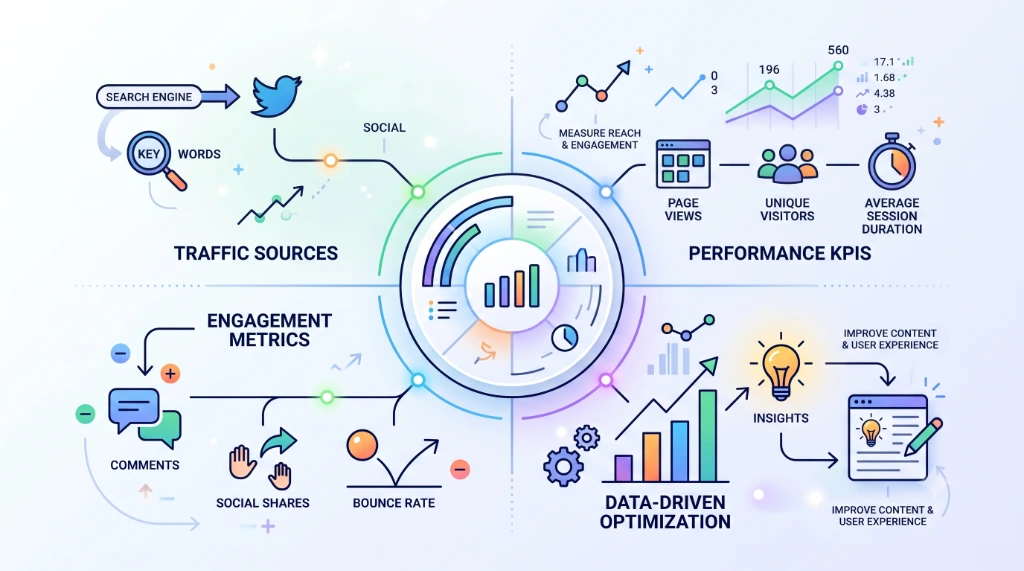
To determine the effectiveness of your blogging efforts, it’s essential to measure blog success using analytics and metrics. Google Analytics is a powerful tool that provides detailed insights into your blog’s performance, including traffic sources, user behavior, and engagement metrics. By analyzing this data, you can identify which blog posts are resonating with your audience, which keywords are driving traffic, and where there may be opportunities for improvement.
Key performance indicators (KPIs) to monitor include page views, unique visitors, and average session duration. These metrics provide a snapshot of your blog’s overall reach and how long visitors are engaging with your content. High page views and unique visitors indicate that your blog is attracting a significant number of readers, while a longer average session duration suggests that visitors find your content valuable and are spending more time exploring it.
Engagement metrics such as comments, social shares, and bounce rate are also important indicators of blog success. A high number of comments and social shares signifies that readers are actively interacting with your content and finding it worth sharing with others. Conversely, a high bounce rate may indicate that visitors are leaving your blog quickly, which could be a sign of irrelevant content or poor user experience. By regularly reviewing and analyzing these metrics, you can make data-driven decisions to optimize your blog and improve its performance.
Common Blogging Mistakes to Avoid
While blogging can be a highly effective digital marketing tool, there are common mistakes that can hinder your success. One of the most frequent errors is neglecting to define your target audience. Without a clear understanding of who you are writing for, your content may lack relevance and fail to resonate with readers. To avoid this, take the time to research your audience’s demographics, interests, and pain points, and tailor your content to address their specific needs.
Another common mistake is inconsistent posting. Publishing sporadically can lead to a decline in reader interest and engagement, as well as negatively impact your SEO efforts. To maintain consistency, develop a content calendar and stick to a regular posting schedule. Additionally, avoid the temptation to sacrifice quality for quantity. While it’s important to post regularly, it’s equally crucial to ensure that each piece of content is well-researched, well-written, and provides value to your readers.
Finally, many bloggers overlook the importance of SEO. Failing to optimize your blog posts for search engines can limit your visibility and organic traffic. Conduct thorough keyword research and incorporate relevant keywords naturally into your content, headlines, and meta descriptions. Additionally, focus on creating high-quality, valuable content that answers your audience’s questions and solves their problems. By avoiding these common mistakes, you can set your blog up for long-term success and maximize its impact on your digital marketing efforts.
Future Trends in Blogging and Digital Marketing
The world of blogging and digital marketing is constantly evolving, with new trends and technologies shaping the way businesses connect with their audiences. One emerging trend is the increasing importance of video content. As consumers’ preferences shift towards more visual and interactive content, incorporating videos into your blog can enhance engagement and provide a richer user experience. From video tutorials and product demonstrations to vlogs and live streams, there are numerous ways to leverage video to complement your written content.
Another trend gaining traction is the rise of voice search. With the growing popularity of smart speakers and voice assistants like Amazon Alexa and Google Assistant, optimizing your blog for voice search is becoming increasingly important. This involves using natural language, answering common questions directly, and focusing on long-tail keywords that reflect how people speak. By adapting your content for voice search, you can stay ahead of the curve and ensure your blog remains accessible to a wider audience.
Personalization is also set to play a significant role in the future of blogging and digital marketing. As consumers expect more tailored and relevant experiences, leveraging data and analytics to deliver personalized content can significantly enhance engagement and satisfaction. This can include recommending related blog posts based on readers’ interests, using targeted email marketing campaigns, and creating dynamic content that adapts to individual user preferences. By embracing these future trends, businesses can stay competitive and continue to effectively reach and engage their audiences in the ever-changing digital landscape.