Digital Marketing vs Online Marketing: Key Differences Explained
In today’s fast-paced world, understanding the nuances between digital marketing and online marketing is essential for success. Explore their key differences and find the strategy that fits your goals.
Defining Digital Marketing
Digital marketing encompasses a broad range of strategies and tactics that utilize electronic devices and digital platforms to reach and engage with customers. This form of marketing is not confined to the internet alone but spans across various digital channels, including email, mobile apps, podcasts, and even digital billboards. Essentially, digital marketing integrates technology and marketing strategies to create a cohesive and interactive experience for consumers.
The goal of digital marketing is to leverage the plethora of digital tools available to connect with potential customers, build brand awareness, and drive sales. The use of data analytics and insights is a cornerstone of digital marketing, enabling marketers to track performance, optimize campaigns, and ultimately achieve higher returns on investment. This data-driven approach ensures that digital marketing efforts are not only effective but also efficient.
Moreover, digital marketing is dynamic and constantly evolving with technological advancements. From artificial intelligence and machine learning to virtual reality and augmented reality, the possibilities within digital marketing are virtually limitless. Marketers must stay abreast of these innovations to remain competitive and meet the ever-changing demands of consumers.
Defining Online Marketing
Online marketing, often referred to as internet marketing, specifically focuses on leveraging the power of the internet to promote products, services, and brands. This form of marketing is inherently tied to online activities and platforms, such as websites, search engines, social media, and email. Online marketing aims to attract online users, convert them into customers, and retain them through various digital touchpoints.
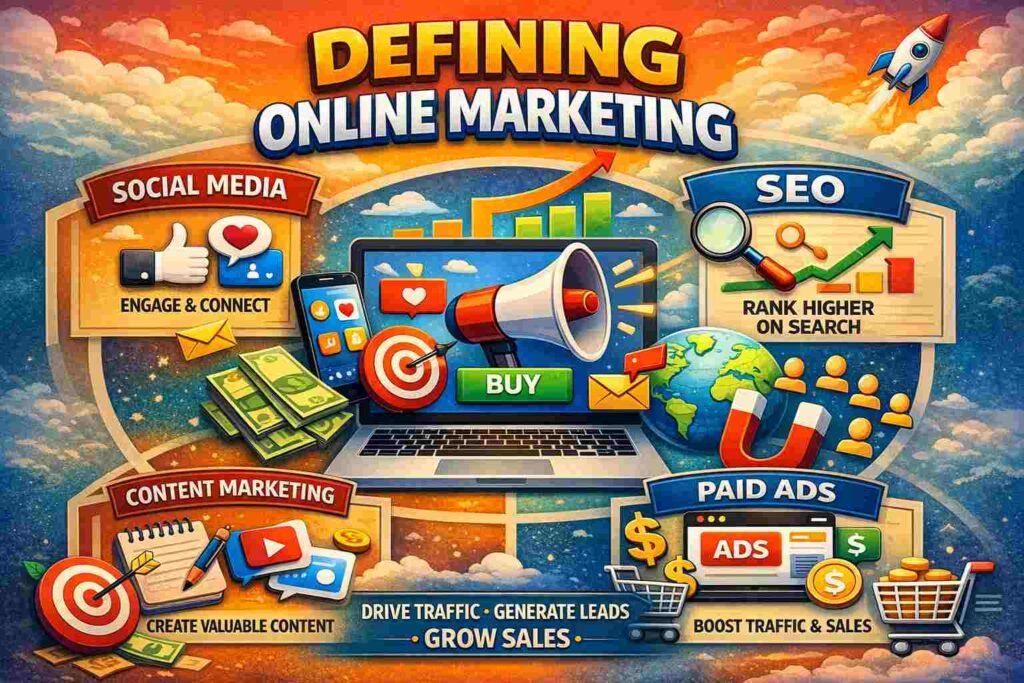
The core components of online marketing include search engine optimization (SEO), pay-per-click (PPC) advertising, content marketing, social media marketing, email marketing, and affiliate marketing. Each of these components plays a crucial role in driving traffic, generating leads, and increasing conversions. For instance, SEO helps improve a website’s visibility on search engines, while PPC advertising allows businesses to target specific audiences with paid ads.
One of the key advantages of online marketing is its ability to reach a global audience with relative ease and cost-efficiency. The internet provides a platform for businesses of all sizes to compete on a level playing field, offering opportunities for growth and expansion. Additionally, online marketing allows for real-time engagement and interaction with customers, fostering stronger relationships and brand loyalty.
Key Differences Between Digital Marketing and Online Marketing
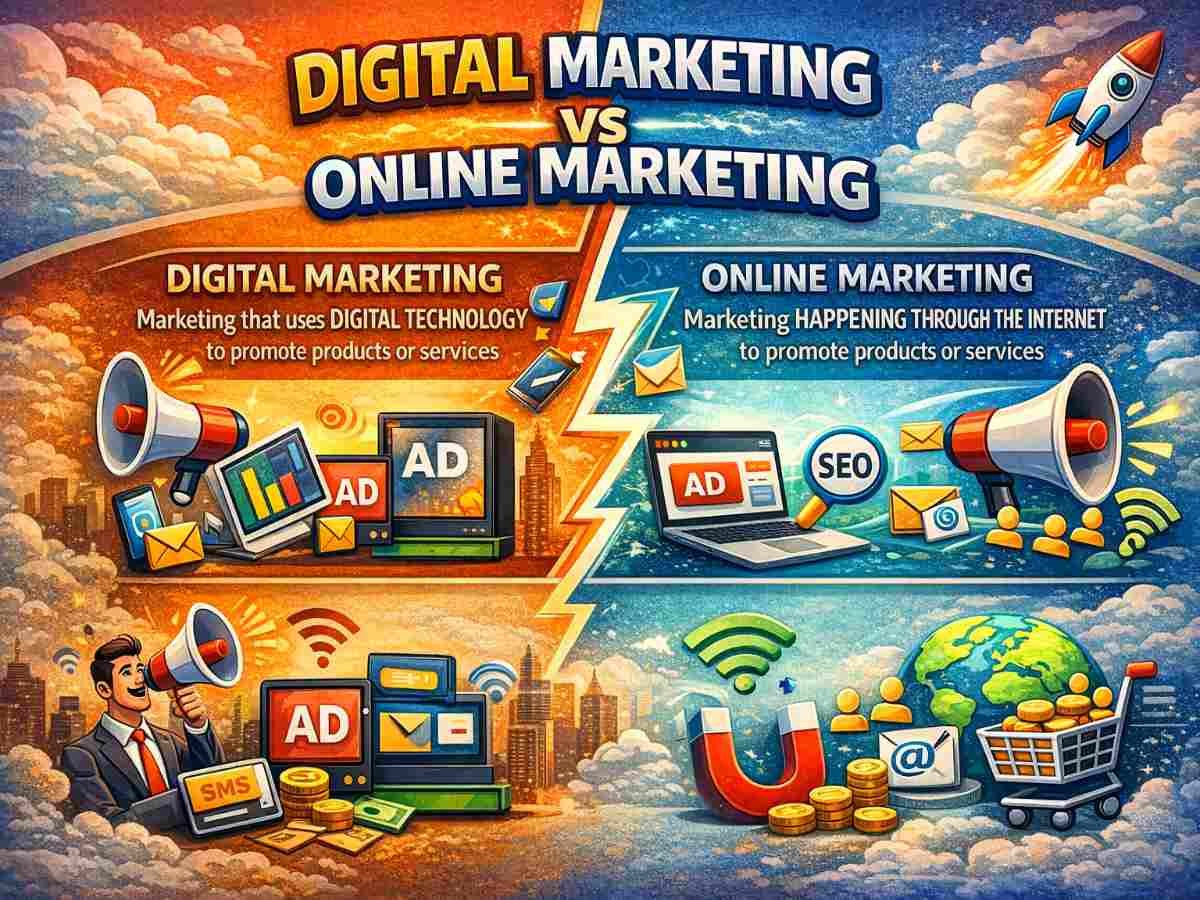
While digital marketing and online marketing are often used interchangeably, there are distinct differences between the two. The most significant difference lies in their scope. Digital marketing encompasses all marketing efforts that use electronic devices and digital technologies, including both online and offline channels. Online marketing, on the other hand, is a subset of digital marketing that exclusively focuses on internet-based channels.
Another key difference is the range of strategies and tools employed. Digital marketing includes a broader array of tactics, such as mobile advertising, SMS marketing, digital billboards, and more. Online marketing, however, is limited to tactics that require an internet connection, such as social media marketing, email marketing, and search engine marketing. This distinction highlights the versatility of digital marketing compared to the more focused approach of online marketing.
Furthermore, the metrics and analytics used in digital marketing and online marketing can vary. While both rely heavily on data to measure performance and optimize campaigns, digital marketing may incorporate data from a wider range of sources, including offline interactions. Online marketing metrics are typically confined to online behaviors and interactions, such as website traffic, click-through rates, and social media engagement.
Scope of Digital Marketing
The scope of digital marketing is vast and multifaceted, encompassing a wide range of strategies and channels. One of the primary components of digital marketing is content marketing, which involves creating and distributing valuable content to attract and engage a target audience. This can include blog posts, videos, infographics, podcasts, and more. Content marketing aims to build brand authority and trust, ultimately driving customer action.
Another critical aspect of digital marketing is social media marketing. This involves leveraging social media platforms, such as Facebook, Instagram, Twitter, and LinkedIn, to connect with audiences, promote products, and build brand awareness. Social media marketing strategies can include organic posts, influencer partnerships, and paid advertising campaigns. The interactive nature of social media allows for real-time engagement and feedback from customers.
Email marketing is also a significant component of digital marketing. It involves sending targeted emails to a list of subscribers to nurture leads, promote products, and drive conversions. Email marketing can be highly personalized and segmented, allowing businesses to deliver relevant content to specific audience segments. Additionally, email marketing provides measurable results, such as open rates, click-through rates, and conversion rates, enabling marketers to refine their strategies.
Scope of Online Marketing
Online marketing is a subset of digital marketing that focuses exclusively on internet-based strategies and channels. One of the core components of online marketing is search engine optimization (SEO). SEO involves optimizing a website’s content and structure to improve its visibility on search engine results pages (SERPs). By ranking higher on SERPs, businesses can attract more organic traffic and increase their chances of converting visitors into customers.
Pay-per-click (PPC) advertising is another essential element of online marketing. PPC involves placing ads on search engines, social media platforms, and other websites, and paying a fee each time the ad is clicked. PPC campaigns can be highly targeted, allowing businesses to reach specific demographics, locations, and interests. This form of advertising can generate immediate results and is particularly effective for driving traffic and conversions.
Content marketing also plays a crucial role in online marketing. Creating valuable and engaging content, such as blog posts, videos, and infographics, helps attract and retain an online audience. Content marketing not only boosts SEO efforts but also positions a brand as an authority in its industry. By providing helpful and informative content, businesses can build trust and credibility with their audience.
Common Strategies in Digital Marketing
Digital marketing encompasses a variety of strategies that leverage different digital channels and technologies. One of the most common strategies is mobile marketing, which targets users on their smartphones and tablets. This can include SMS marketing, mobile app advertising, and location-based marketing. With the increasing use of mobile devices, mobile marketing has become a crucial component of digital marketing strategies.
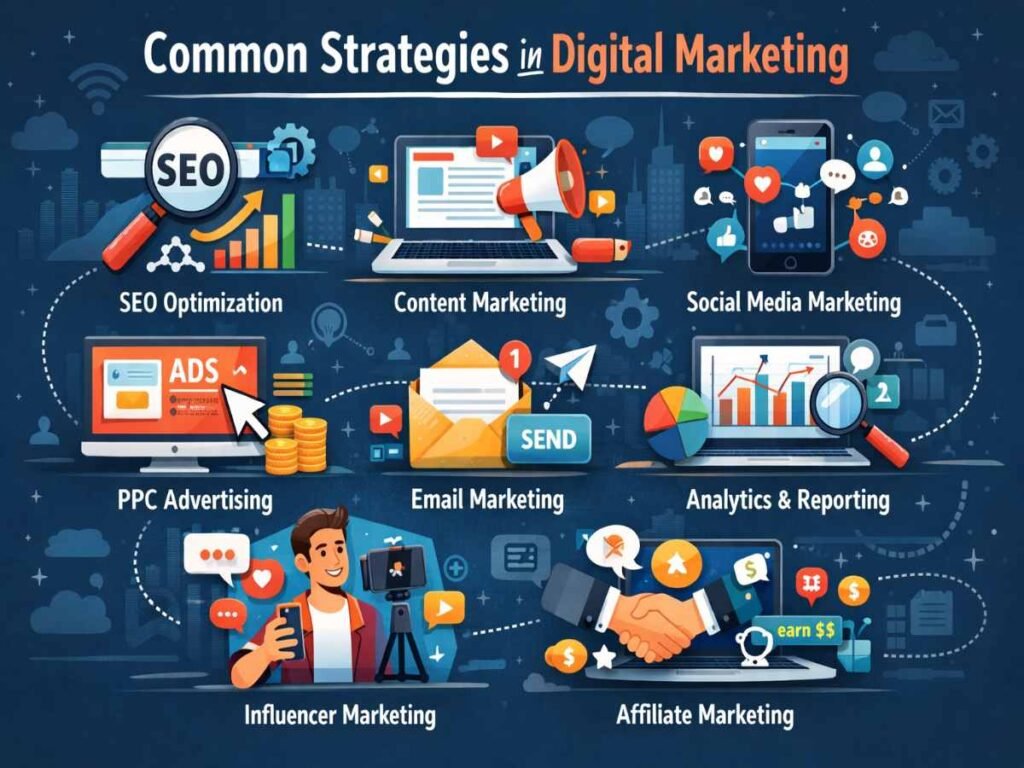
Another prevalent digital marketing strategy is video marketing. Videos are highly engaging and can convey information quickly and effectively. Platforms like YouTube, TikTok, and Instagram offer opportunities for businesses to reach a broad audience through video content. Video marketing can include tutorials, product demonstrations, testimonials, and behind-the-scenes footage, all designed to capture the audience’s attention and drive engagement.
Digital advertising is also a key strategy within digital marketing. This includes display ads, video ads, and programmatic advertising. Display ads are typically banner ads that appear on websites, while video ads can be pre-roll or mid-roll ads on video platforms. Programmatic advertising uses automated technology to buy and place ads in real-time, targeting specific audiences based on data and algorithms. These advertising methods allow for precise targeting and measurable results.
Common Strategies in Online Marketing
Online marketing strategies focus on leveraging internet-based channels to reach and engage with audiences. Social media marketing is one of the most popular online marketing strategies. By creating and sharing content on platforms like Facebook, Instagram, Twitter, and LinkedIn, businesses can connect with their audience, build brand awareness, and drive traffic to their website. Social media marketing can include organic posts, paid ads, and influencer collaborations.
Email marketing is another effective online marketing strategy. By building a list of subscribers and sending targeted email campaigns, businesses can nurture leads, promote products, and drive conversions. Email marketing allows for personalization and segmentation, enabling businesses to deliver relevant content to specific audience segments. Additionally, email marketing provides measurable results, such as open rates, click-through rates, and conversion rates.
Search engine marketing (SEM) is a crucial online marketing strategy that involves promoting a website through paid search ads. SEM includes pay-per-click (PPC) advertising, where businesses bid on keywords to display their ads on search engine results pages (SERPs). This strategy can generate immediate results and is particularly effective for driving traffic and conversions. By targeting specific keywords and demographics, businesses can reach their ideal audience and achieve their marketing goals.
When to Use Digital Marketing vs Online Marketing
Deciding whether to use digital marketing or online marketing depends on a variety of factors, including your business goals, target audience, budget, and available resources. Digital marketing is ideal for businesses that want to leverage a wide range of digital channels and technologies to reach their audience. This approach allows for a more comprehensive and integrated marketing strategy, encompassing both online and offline efforts.
For businesses with a strong online presence and a focus on internet-based channels, online marketing may be the more suitable option. This approach is particularly effective for e-commerce businesses, SaaS companies, and other online-centric industries. Online marketing strategies, such as SEO, PPC, and social media marketing, can drive traffic, generate leads, and increase conversions, all within the online ecosystem.
Ultimately, the choice between digital marketing and online marketing should be guided by your specific business objectives and target audience. For instance, if your goal is to reach a younger, tech-savvy audience, digital marketing strategies like mobile marketing and social media marketing may be more effective. Conversely, if your target audience is more likely to engage with content through email or search engines, online marketing strategies like email marketing and SEO may be more appropriate.
Conclusion and Future Trends in Marketing
In conclusion, understanding the key differences between digital marketing and online marketing is essential for developing a successful marketing strategy. Digital marketing encompasses a broad range of strategies and channels, including both online and offline efforts, while online marketing focuses exclusively on internet-based channels. By leveraging the strengths of each approach, businesses can create a comprehensive and effective marketing strategy that meets their goals.
Looking ahead, the future of marketing is likely to be shaped by emerging technologies and evolving consumer behaviors. Artificial intelligence and machine learning are expected to play a significant role in optimizing marketing efforts, from personalized recommendations to predictive analytics. Additionally, the rise of voice search and smart speakers will require marketers to adapt their strategies to ensure their content is discoverable through voice queries.
Another trend to watch is the increasing importance of data privacy and security. As consumers become more aware of their data rights, businesses will need to prioritize transparency and compliance with data protection regulations. Building trust with customers through ethical data practices will be crucial for maintaining brand loyalty and long-term success. By staying abreast of these trends and continuously adapting their strategies, businesses can navigate the ever-changing marketing landscape and achieve their objectives.
Read More Related Articles

