
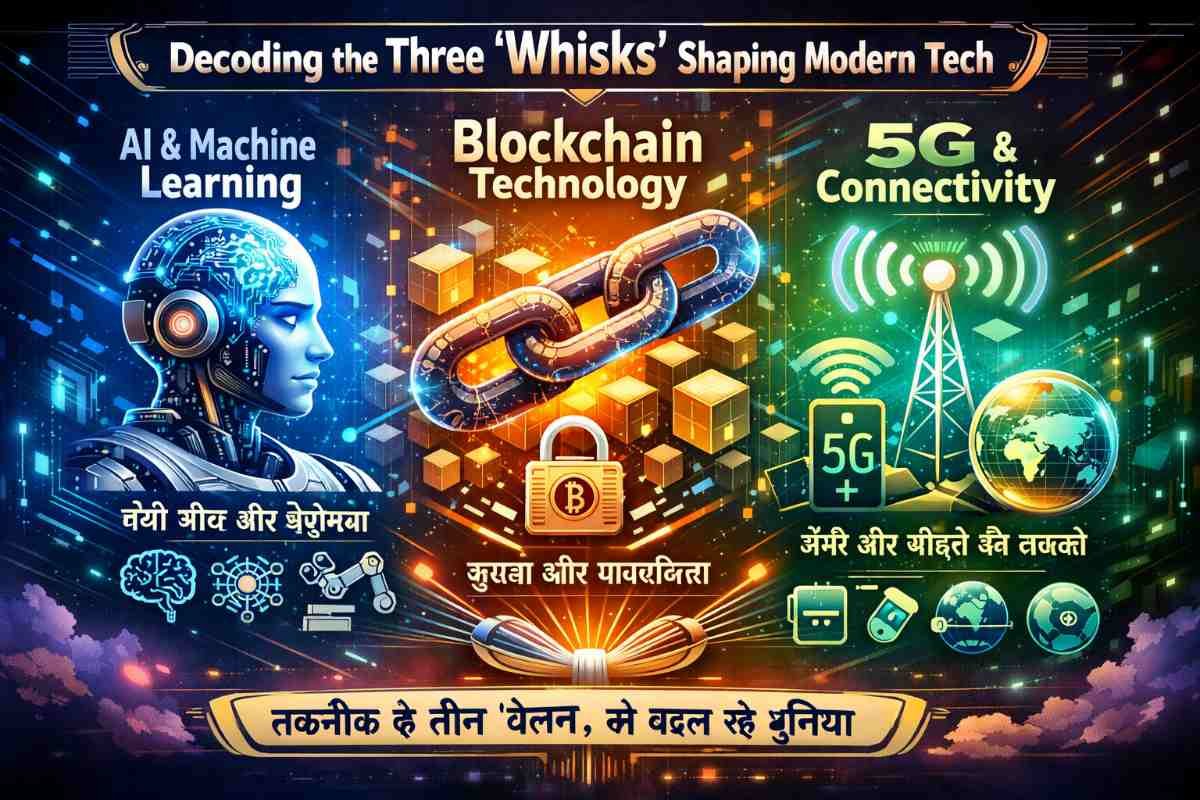
Not Your Kitchen Utensil: Decoding the Three "Whisks" Shaping Modern Tech
How can a simple word like “Whisk” simultaneously describe a foundational cloud platform from Apache, an AI-powered kitchen assistant from Samsung, and a generative video tool from Google? This unusual coincidence is more than just a linguistic curiosity; it offers a fascinating window into the major trends shaping the technology industry today. From the invisible infrastructure of the cloud to the AI-infused smart home and the explosion of generative AI, these three “Whisks” represent distinct yet interconnected pillars of our digital future.
1. The Foundational Whisk: Powering the Cloud with Apache OpenWhisk
The first “Whisk” is Apache OpenWhisk, a foundational, open-source serverless platform. This isn’t a tool you’ll use directly, but it’s a critical piece of the “plumbing” that powers the modern cloud.
It is a “Functions-as-a-Service” (FaaS) platform that allows developers to execute small units of code in response to specific events, like an HTTP request. This model frees developers to focus entirely on writing code without the complexity of provisioning or managing server infrastructure.
A serverless, open source cloud platform that executes functions in response to events at any scale.
This kind of invisible, event-driven architecture is critical, but what makes OpenWhisk noteworthy is its credibility and ecosystem. Backed by industry heavyweights like IBM and proven at scale on IBM Cloud, it’s not just a community project but a battle-tested platform. It is built on “solid open source foundations” like Docker, Kafka, and NGINX, positioning it as a powerful, flexible alternative to the proprietary serverless offerings from cloud giants like AWS Lambda or Azure Functions. For organizations committed to open-source technology, this Whisk provides an essential building block for creating scalable, on-demand digital services.
2. The Culinary Whisk: Bringing AI to Your Kitchen with Samsung Food
The second “Whisk” brings technology from the data center directly into the kitchen. It comes from Samsung, which in 2019 acquired a cooking app named Whisk and evolved it into Samsung Food, a consumer-facing AI platform for recipe planning and meal preparation.
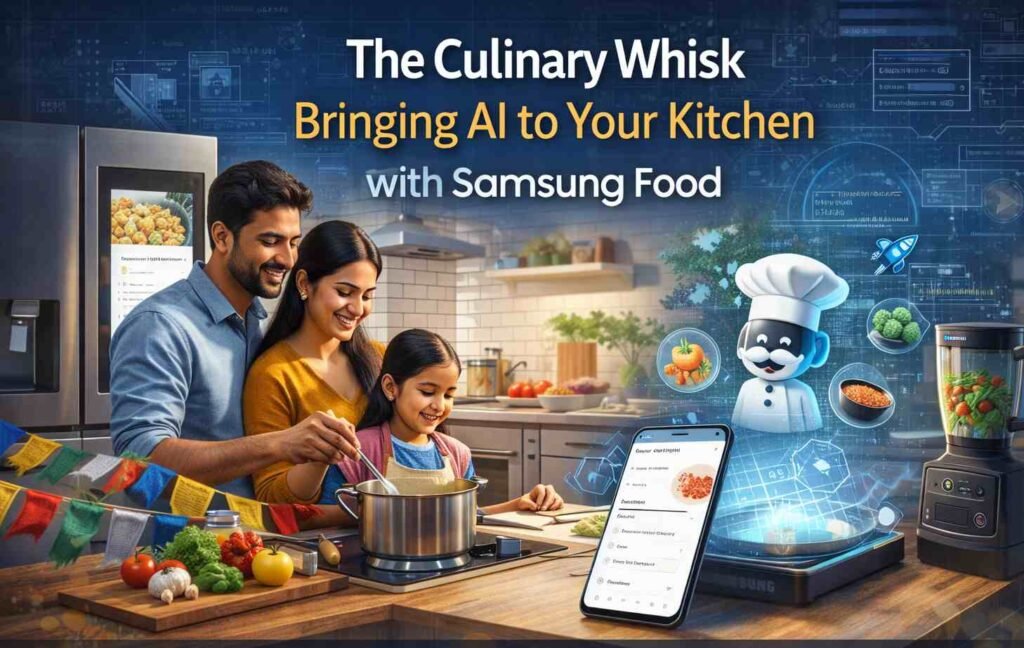
Its core functions are designed to create a seamless cooking experience within Samsung’s product ecosystem. The platform can:
- Offer a catalog of over 160,000 recipes.
- Personalize recipe recommendations based on user preferences and food seasonality.
- Create a shopping list from the ingredients in a selected recipe.
- Tweak a recipe to fit specific dietary needs, such as converting a dish into a vegan version.
- Connect with Samsung’s smart kitchen appliances to remotely preheat an oven or set a timer.
This “Whisk” represents the practical integration of AI and the Internet of Things (IoT) into our daily lives. More than just a recipe app, it signals Samsung’s strategy to own the entire wellness and smart home ecosystem, starting in the kitchen. The company’s roadmap includes integrating Samsung Food with Samsung Health to help users meet dietary goals and using “Vision AI” to recognize food items from user photographs. It’s a clear move to make technology an intelligent partner embedded in our homes.

3. The Creative Whisk: Animating Ideas with Google's Whisk
The third and newest “Whisk” is an experimental AI tool from Google Labs that operates on the frontier of generative AI and content creation. This platform is designed to generate creative visuals from prompts.
Its new “Whisk Animate” feature is powered by Google’s advanced Veo2 video generation model. It allows users to transform static images into dynamic, short videos, effectively bringing still pictures to life. Access, however, comes at a price: the feature requires a Google One AI Premium subscription, which costs $20 per month.
Key features of the video output include:
- Generated from static images using animation prompts.
- 8 seconds in length.
- 720p resolution in a 16:9 MP4 format.
This “Whisk” highlights the rapid advancements in generative AI and showcases Google’s strategy for monetizing them. The tool’s image-text-video pipeline, which uses the Imagen3 and Veo2 models in tandem, democratizes video production for creators and marketers. Crucially, Google is also addressing the industry’s concerns about misinformation; all videos generated are embedded with SynthID digital watermarks for transparency. This isn’t just a creative novelty—it’s a sophisticated product driving value for Google’s subscription ecosystem while setting a standard for responsible AI deployment.
Conclusion: Three Whisks, One Tech Future
From foundational infrastructure to the integrated smart home and the creative AI frontier, the three distinct identities of “Whisk” map out the modern technological landscape. One provides the scalable power for the cloud (Apache), another integrates AI into our domestic routines (Samsung), and the third puts the magic of generative content creation into our hands (Google).
What does it say about our technological moment when one simple word can describe the invisible plumbing of the internet, the brain of a smart kitchen, and a magic wand for digital art? And more importantly, what common name will be next?

