
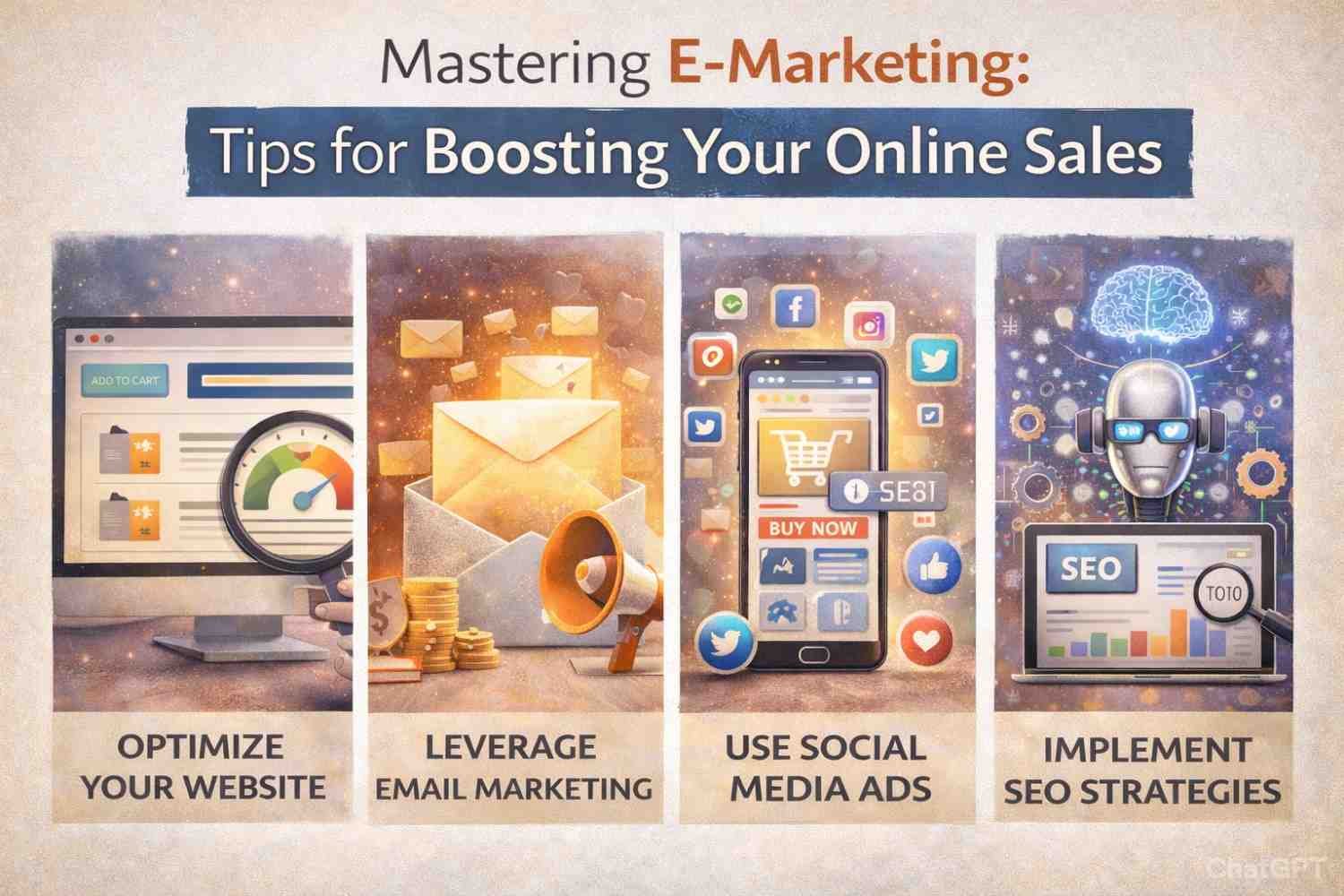
Unlock the secrets to online success with our essential e-marketing tips that will transform your strategies and skyrocket your online sales today!
Understanding E-Marketing and Its Importance
fE-marketing, or electronic marketing, is the practice of leveraging digital channels to promote products and services to consumers. This method has revolutionized the way businesses connect with their audience, offering an array of tools and techniques to enhance brand visibility and drive sales. Unlike traditional marketing, e-marketing provides real-time data, allowing marketers to make informed decisions and optimize their campaigns for better results. The significance of e-marketing in today’s digital age cannot be overstated, as it enables businesses to reach a global audience with minimal investment.
The rise of e-marketing has been driven by the exponential growth of internet users and the increasing reliance on digital platforms for information, communication, and commerce. Consumers now expect brands to have a strong online presence and offer seamless shopping experiences across various devices. This shift has made it imperative for businesses to adopt e-marketing strategies to stay competitive and meet the evolving needs of their customers. By understanding the importance of e-marketing, businesses can harness its potential to achieve their sales and marketing objectives.
Moreover, e-marketing provides businesses with a wealth of data and insights that can be used to refine their strategies and improve performance. Through analytics and tracking tools, marketers can monitor user behavior, measure campaign effectiveness, and identify areas for improvement. This data-driven approach enables businesses to make informed decisions, optimize their marketing efforts, and ultimately drive higher sales and revenue. Embracing e-marketing is no longer an option but a necessity for businesses looking to thrive in the digital age.
Key Components of a Successful E-Marketing Strategy
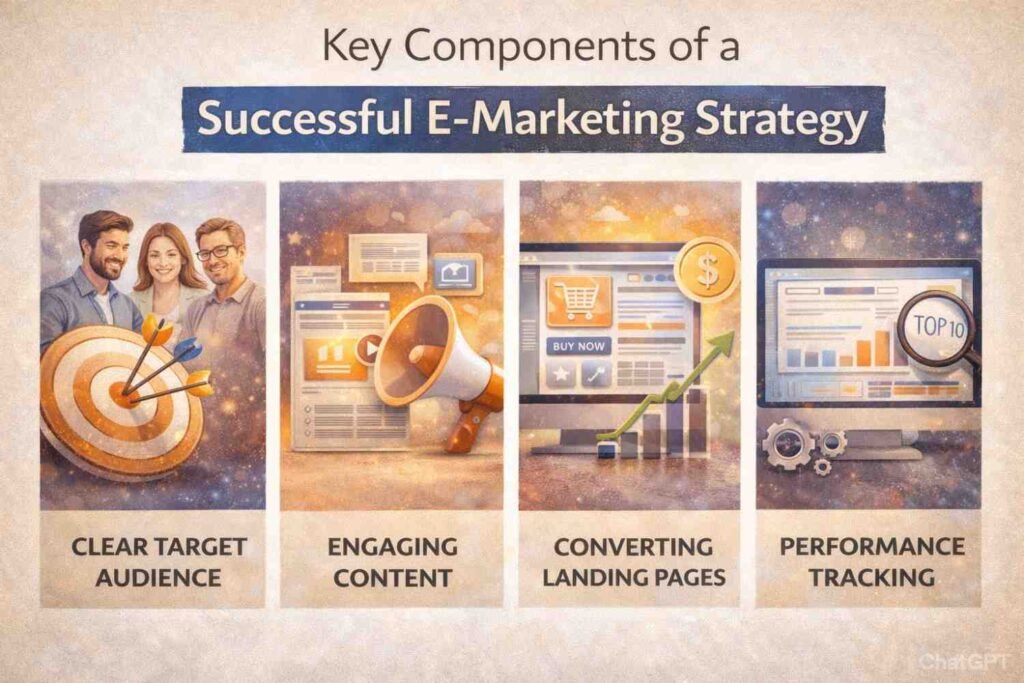
To master e-marketing and boost online sales, it is crucial to develop a comprehensive strategy that encompasses various components. The first key component is a well-defined goal. Setting clear, measurable objectives provides direction and helps businesses focus their efforts on achieving specific outcomes. Whether the goal is to increase website traffic, generate leads, or boost sales, having a clear target in mind is essential for crafting an effective e-marketing strategy.
Another critical component is understanding the target audience. Identifying and segmenting the audience based on demographics, interests, and behaviors allows businesses to tailor their messaging and campaigns to resonate with their customers. By creating buyer personas and mapping the customer journey, marketers can develop personalized and relevant content that engages and converts their audience. This targeted approach not only enhances the effectiveness of marketing efforts but also improves customer satisfaction and loyalty.
Content is king in e-marketing, and creating high-quality, engaging content is vital for attracting and retaining customers. From blog posts and videos to social media updates and email newsletters, content should be informative, entertaining, and aligned with the brand’s voice and values. Additionally, leveraging various content formats and distribution channels ensures a wider reach and greater impact. By consistently delivering valuable content, businesses can build trust, establish authority, and drive conversions.
Identifying Your Target Audience
Identifying your target audience is a fundamental step in developing an effective e-marketing strategy. Knowing who your customers are, what they need, and how they behave enables you to tailor your marketing efforts to meet their expectations and drive engagement. The first step in this process is conducting market research to gather information about your potential customers. This can be done through surveys, interviews, and analyzing data from existing customers. By understanding your audience’s demographics, interests, and pain points, you can create detailed buyer personas that represent your ideal customers.
Once you have a clear picture of your target audience, it’s essential to segment them into different groups based on shared characteristics. This segmentation allows you to create personalized and relevant marketing campaigns that resonate with each group. For example, you might segment your audience by age, location, purchasing behavior, or interests. By targeting specific segments with tailored messaging, you can increase the likelihood of engagement and conversions. Additionally, understanding the different stages of the customer journey helps you deliver the right content at the right time, further enhancing the effectiveness of your marketing efforts.
Another important aspect of identifying your target audience is monitoring and analyzing their behavior. By using analytics tools, you can track how your audience interacts with your website, social media, and other digital channels. This data provides valuable insights into their preferences, interests, and purchasing behavior. By continuously analyzing this information, you can refine your marketing strategies and ensure they remain relevant and effective. Understanding your target audience is an ongoing process, and staying attuned to their evolving needs and preferences is key to maintaining a successful e-marketing strategy.
Crafting Compelling Content for E-Marketing
Creating compelling content is a cornerstone of e-marketing success. High-quality content not only attracts and engages your audience but also establishes your brand as a trusted authority in your industry. To craft compelling content, start by understanding your audience’s needs and interests. What questions are they asking? What problems are they trying to solve? By addressing these questions and providing valuable information, you can create content that resonates with your audience and encourages them to take action.
Storytelling is a powerful tool in content creation. People are naturally drawn to stories, and incorporating storytelling elements into your content can make it more relatable and memorable. Whether you’re sharing customer success stories, behind-the-scenes insights, or the history of your brand, storytelling helps humanize your business and build an emotional connection with your audience. Additionally, using visuals such as images, videos, and infographics can enhance your content and make it more engaging. Visual content is often more shareable and can help convey complex information in an easily digestible format.
Consistency is key when it comes to content creation. Regularly publishing fresh and relevant content keeps your audience engaged and encourages them to return to your website or social media channels. Developing a content calendar can help you plan and organize your content efforts, ensuring a steady stream of high-quality posts. Additionally, optimizing your content for search engines (SEO) can increase its visibility and drive organic traffic to your website. By combining valuable information, storytelling, visuals, consistency, and SEO, you can craft compelling content that captivates your audience and drives e-marketing success.
The Role of SEO in E-Marketing
Search engine optimization (SEO) plays a crucial role in e-marketing by enhancing the visibility of your website and content on search engines. By optimizing your website for relevant keywords and phrases, you can attract organic traffic and improve your search engine rankings. This increased visibility can lead to higher website traffic, more leads, and ultimately, more sales. SEO is an ongoing process that requires continuous monitoring, analysis, and adjustments to stay ahead of the competition and maintain high rankings.
One of the key aspects of SEO is keyword research. Identifying the right keywords to target is essential for driving relevant traffic to your website. Tools like Google Keyword Planner, SEMrush, and Ahrefs can help you discover high-volume and low-competition keywords that are relevant to your business. Once you’ve identified your target keywords, you can incorporate them into your website’s content, meta tags, headings, and URLs. However, it’s important to use keywords naturally and avoid keyword stuffing, which can negatively impact your rankings.
Another important component of SEO is on-page optimization. This involves optimizing various elements of your website, such as title tags, meta descriptions, header tags, and image alt text, to make them more search engine-friendly. Additionally, creating high-quality, relevant content that provides value to your audience is essential for SEO success. Search engines prioritize content that is informative, well-written, and regularly updated. By focusing on both the technical and content aspects of SEO, you can improve your website’s search engine rankings and drive more organic traffic to your site.
Leveraging Social Media for Increased Sales
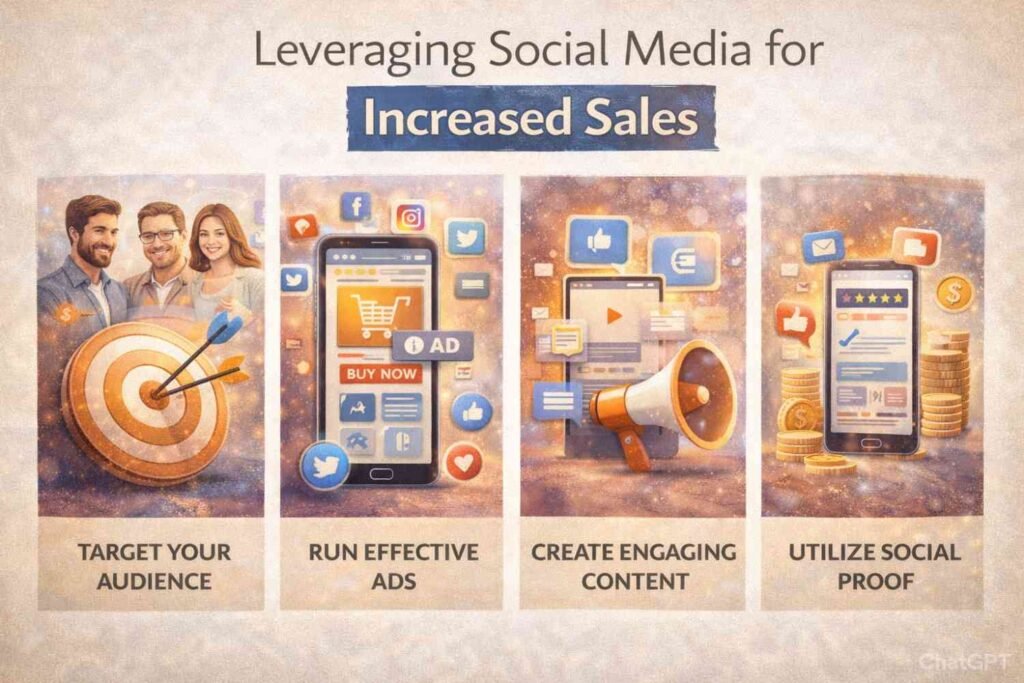
Social media has become an indispensable tool for e-marketing, offering businesses a platform to connect with their audience, build brand awareness, and drive sales. With billions of users active on social media platforms like Facebook, Instagram, Twitter, and LinkedIn, businesses have a unique opportunity to reach a vast and diverse audience. To leverage social media effectively, it’s important to choose the right platforms for your business and tailor your content to each platform’s unique features and audience.
Creating engaging and shareable content is key to social media success. Visual content, such as images, videos, and infographics, tends to perform well on social media and can help capture your audience’s attention. Additionally, leveraging user-generated content, such as customer reviews and testimonials, can build trust and credibility with your audience. Encouraging your customers to share their experiences with your brand and using branded hashtags can increase your reach and visibility on social media.
Social media advertising is another powerful tool for driving sales. Platforms like Facebook and Instagram offer advanced targeting options that allow you to reach specific segments of your audience based on demographics, interests, and behaviors. By creating targeted ads and utilizing features like retargeting, you can drive traffic to your website and increase conversions. Additionally, engaging with your audience through comments, messages, and social media groups can build relationships and foster a sense of community around your brand. By leveraging social media effectively, you can boost your online sales and achieve e-marketing success.
Email Marketing Best Practices
Email marketing remains one of the most effective e-marketing strategies for driving sales and nurturing customer relationships. With a high return on investment (ROI), email marketing allows businesses to communicate directly with their audience and deliver personalized content that drives engagement and conversions. To maximize the effectiveness of your email marketing efforts, it’s important to follow best practices and create campaigns that resonate with your audience.
The first step in email marketing is building a high-quality email list. This involves collecting email addresses from interested prospects and existing customers through opt-in forms, lead magnets, and other incentives. It’s important to ensure that your email list is permission-based and that subscribers have explicitly opted in to receive your emails. This helps maintain a positive sender reputation and ensures that your emails are well-received. Additionally, segmenting your email list based on factors like demographics, purchase behavior, and engagement levels allows you to send targeted and relevant content to each segment.
Crafting compelling email content is crucial for driving engagement. Your emails should have a clear and enticing subject line that encourages recipients to open the email. The content of the email should be relevant, valuable, and aligned with the interests of your audience. Personalization, such as addressing recipients by their first name and tailoring content to their preferences, can significantly enhance the effectiveness of your emails. Additionally, including a clear call-to-action (CTA) that guides recipients towards the desired action, such as making a purchase or signing up for a webinar, is essential for driving conversions.
Another best practice is to optimize your emails for mobile devices. With a significant portion of email opens occurring on mobile devices, it’s important to ensure that your emails are mobile-friendly and easy to read on smaller screens. This includes using a responsive design, concise content, and large, tappable buttons. Additionally, regularly monitoring and analyzing the performance of your email campaigns through metrics like open rates, click-through rates, and conversion rates can help you identify areas for improvement and optimize your campaigns for better results. By following these best practices, you can create effective email marketing campaigns that drive sales and strengthen customer relationships.
Utilizing Pay-Per-Click Advertising Effectively
Pay-per-click (PPC) advertising is a powerful e-marketing tool that allows businesses to drive targeted traffic to their website and generate leads quickly. PPC campaigns, such as Google Ads and social media ads, enable businesses to bid on keywords and display ads to users who are actively searching for related products or services. To utilize PPC advertising effectively, it’s important to develop a well-structured campaign and continuously optimize it for better performance.
The first step in creating a successful PPC campaign is conducting thorough keyword research. Identifying the right keywords to target is essential for reaching your desired audience and driving relevant traffic to your website. Tools like Google Keyword Planner and SEMrush can help you discover high-volume and low-competition keywords that are relevant to your business. Additionally, using negative keywords can help you filter out irrelevant traffic and ensure that your ads are shown to the right audience.
Creating compelling ad copy is another critical component of a successful PPC campaign. Your ad copy should be clear, concise, and highlight the unique selling points of your product or service. Including a strong call-to-action (CTA) that encourages users to click on your ad and take the desired action is essential for driving conversions. Additionally, optimizing your landing pages to align with your ad copy and provide a seamless user experience can significantly improve your conversion rates. This includes ensuring that your landing pages are mobile-friendly, load quickly, and have clear CTAs.
Continuous monitoring and optimization are key to maximizing the effectiveness of your PPC campaigns. Regularly analyzing the performance of your ads through metrics like click-through rates, conversion rates, and cost-per-click can help you identify areas for improvement and make data-driven decisions. A/B testing different ad variations, adjusting your bids, and refining your targeting options can further enhance the performance of your campaigns. By utilizing PPC advertising effectively, you can drive targeted traffic to your website, generate leads, and boost your online sales.
Analyzing and Measuring E-Marketing Success
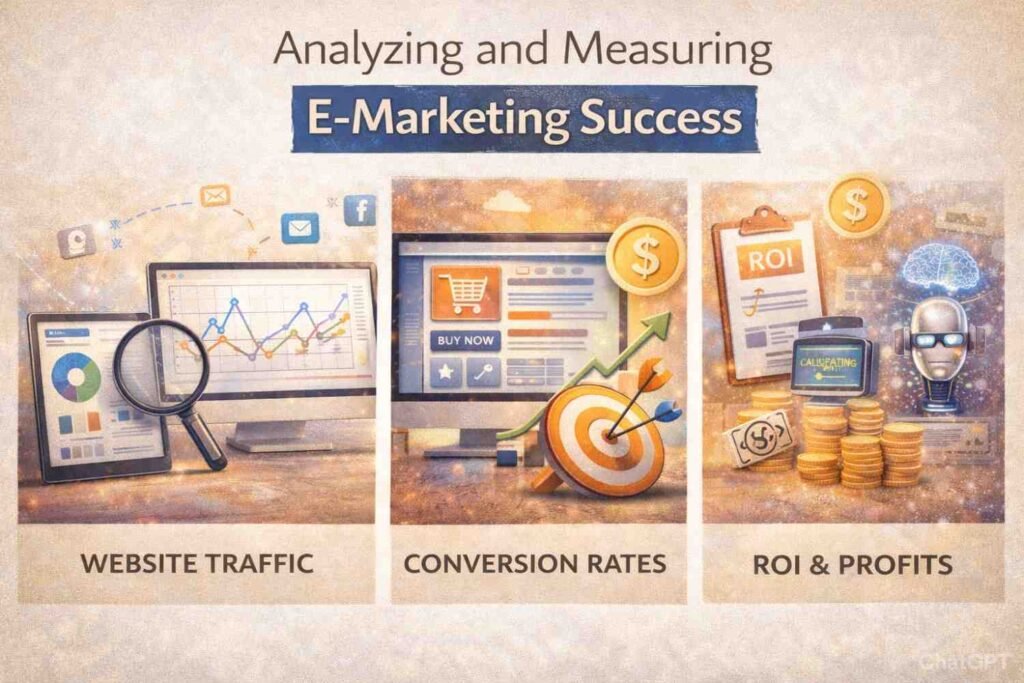
Analyzing and measuring the success of your e-marketing efforts is crucial for understanding what works, identifying areas for improvement, and optimizing your strategies for better results. By leveraging analytics tools and tracking key performance indicators (KPIs), businesses can gain valuable insights into their marketing performance and make data-driven decisions to enhance their campaigns. The first step in this process is defining clear and measurable goals that align with your overall business objectives.
There are several KPIs that businesses can track to measure the success of their e-marketing efforts. These include website traffic, conversion rates, click-through rates, and return on investment (ROI). Additionally, metrics like bounce rates, average session duration, and customer lifetime value can provide insights into user behavior and engagement. By regularly monitoring these KPIs, businesses can identify trends, assess the effectiveness of their marketing efforts, and make informed decisions to improve performance.
Using analytics tools like Google Analytics, Google Ads, and social media insights can help businesses gather data and track their KPIs. These tools provide detailed reports and visualizations that make it easy to analyze performance and identify areas for improvement. Additionally, setting up conversion tracking and using UTM parameters can help businesses attribute conversions to specific marketing efforts and gain a better understanding of their ROI. By combining these tools and techniques, businesses can gain a comprehensive view of their e-marketing performance and optimize their strategies for better results.
Future Trends in E-Marketing and Online Sales
The world of e-marketing is constantly evolving, and staying ahead of the latest trends is essential for maintaining a competitive edge. One of the emerging trends in e-marketing is the increased use of artificial intelligence (AI) and machine learning. These technologies can help businesses analyze data, predict customer behavior, and personalize marketing efforts at scale. From chatbots and virtual assistants to AI-powered recommendations and predictive analytics, AI is transforming the way businesses engage with their audience and drive sales.
Another trend shaping the future of e-marketing is the growing importance of video content. With the rise of platforms like YouTube, TikTok, and Instagram Reels, video has become a dominant form of content consumption. Businesses are increasingly leveraging video to capture their audience’s attention, convey their brand message, and drive engagement. From product demos and tutorials to behind-the-scenes looks and customer testimonials, video content offers a versatile and engaging way to connect with your audience and boost sales.
Personalization is also becoming a key focus in e-marketing. Consumers now expect personalized experiences that cater to their individual needs and preferences. By leveraging data and analytics, businesses can deliver personalized content, product recommendations, and offers that resonate with their audience. This level of personalization can significantly enhance the customer experience, drive engagement, and increase conversions. Additionally, the integration of augmented reality (AR) and virtual reality (VR) in e-marketing is providing new and immersive ways for businesses to showcase their products and engage with their audience.
As technology continues to advance and consumer behavior evolves, the future of e-marketing will be shaped by innovation and adaptability. By staying informed about the latest trends and embracing new technologies, businesses can stay ahead of the curve and achieve e-marketing success. Whether it’s through AI, video content, personalization, or AR/VR, the future of e-marketing holds exciting opportunities for businesses to connect with their audience and drive online sales.
Conclusion
E-marketing offers businesses a powerful and versatile toolkit for reaching their audience, building brand awareness, and driving sales. By understanding the key components of a successful e-marketing strategy, identifying your target audience, crafting compelling content, and leveraging tools like SEO, social media, email marketing, and PPC advertising, businesses can achieve significant online success. Additionally, analyzing and measuring the performance of your e-marketing efforts and staying ahead of future trends are essential for maintaining a competitive edge and driving continuous improvement. Embrace the power of e-marketing and unlock the potential to boost your online sales and achieve your business goals.