
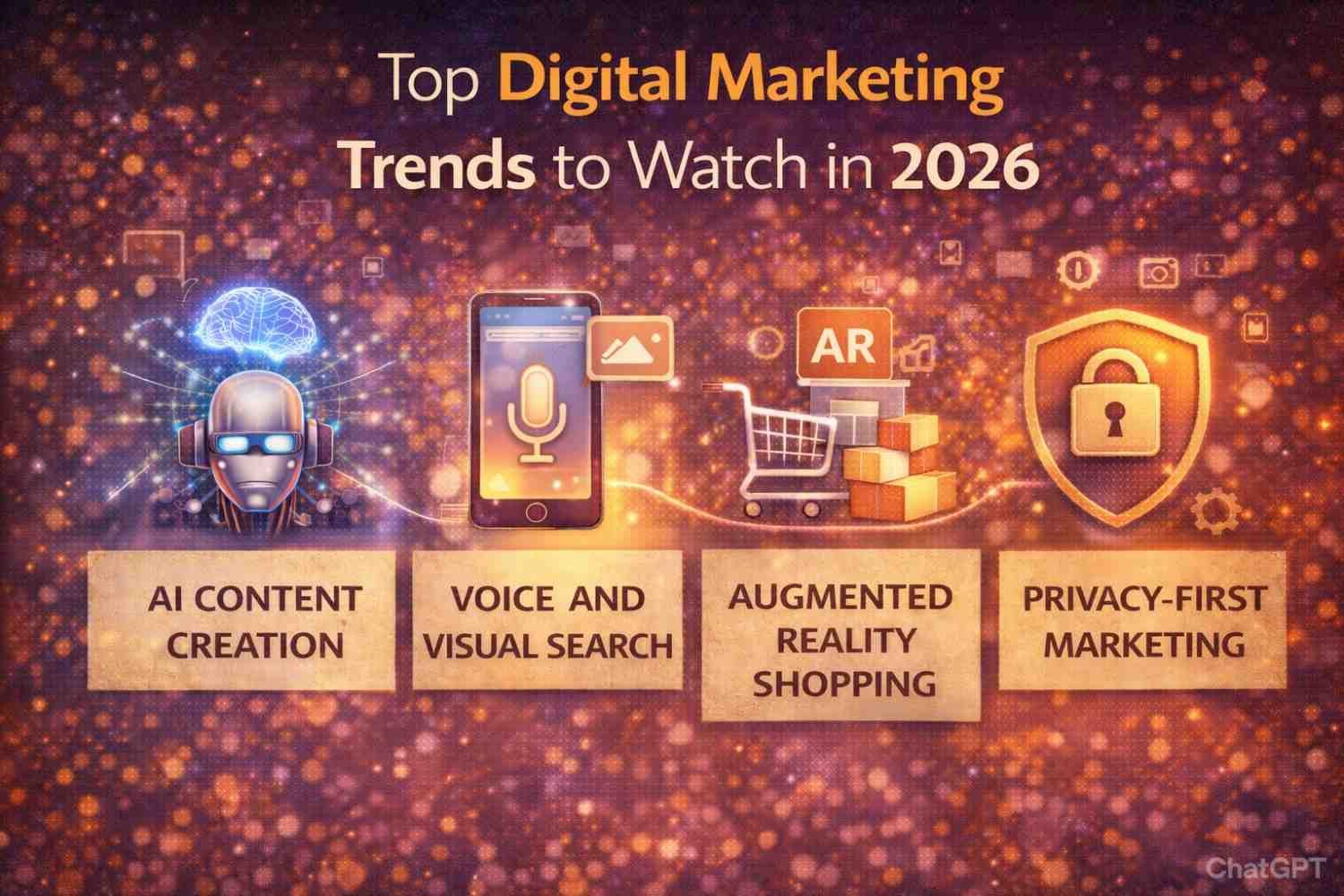
Stay ahead of the curve with the top digital marketing trends to watch in 2026. Discover innovations that will shape the industry’s future!
The Rise of Artificial Intelligence in Marketing
Artificial Intelligence (AI) has been a transformative force in digital marketing, and its influence is only expected to grow by 2026. AI’s ability to process and analyze vast amounts of data with unparalleled speed and accuracy enables marketers to make data-driven decisions that were once unimaginable. With the advent of AI, businesses can now predict customer behavior, optimize ad spend, and create personalized content at scale. This technology is not just a tool but a game-changer that will redefine how marketing strategies are developed and implemented.
In 2026, AI will become even more sophisticated, with advancements in machine learning and natural language processing. These improvements will allow for more nuanced customer interactions and insights. Chatbots, for example, will become more intuitive and human-like, providing customers with seamless and personalized experiences. Predictive analytics will further evolve, enabling marketers to anticipate market trends and customer needs with greater accuracy. This will facilitate more effective targeting and campaign optimization, ultimately leading to increased ROI.
Moreover, AI will play a crucial role in content creation and distribution. AI-driven tools will be able to generate high-quality content tailored to specific audience segments, ensuring relevance and engagement. These tools will also help in identifying the best distribution channels and times to reach the target audience. As AI continues to integrate into various aspects of digital marketing, businesses that leverage its capabilities will gain a significant competitive edge.
Voice Search Optimization and Its Impact
Voice search is rapidly becoming a dominant mode of online interaction, and its impact on digital marketing is profound. With the proliferation of smart speakers and voice-activated assistants like Amazon’s Alexa, Google Assistant, and Apple’s Siri, consumers are increasingly using voice commands to search for information, make purchases, and interact with brands. By 2026, it is projected that a significant portion of online searches will be conducted through voice, necessitating a shift in SEO strategies.
Optimizing for voice search requires a different approach compared to traditional text-based SEO. Voice searches tend to be more conversational and question-based, meaning that content must be tailored to match this natural language pattern. Marketers will need to focus on long-tail keywords and phrases that reflect how people speak rather than type. Additionally, local SEO will become even more critical, as many voice searches are location-specific, such as “near me” queries.
To stay ahead in this evolving landscape, businesses must adapt their content strategies to be more inclusive of voice search. This involves creating FAQ pages, optimizing for featured snippets, and ensuring that websites are mobile-friendly and fast-loading. As voice search continues to gain traction, those who prioritize its optimization will be better positioned to attract and engage with their audience.
The Importance of Personalization in Customer Experience
In an era where consumers are bombarded with information, personalization has become the cornerstone of effective digital marketing. By 2026, the demand for personalized experiences will be at an all-time high, with customers expecting brands to understand and cater to their individual preferences. Personalization goes beyond merely addressing customers by their names; it involves delivering relevant content, offers, and communications that resonate on a personal level.
Data-driven insights are the backbone of personalization. With advancements in AI and machine learning, businesses can analyze customer data to uncover patterns and trends that inform personalized marketing efforts. This enables marketers to segment their audience more precisely and deliver tailored messages that increase engagement and conversion rates. For instance, personalized email campaigns have been shown to generate higher open and click-through rates compared to generic ones.
Moreover, personalization enhances customer loyalty and satisfaction. When customers feel understood and valued, they are more likely to develop a strong connection with the brand and become repeat buyers. Implementing personalization at various touchpoints, such as websites, social media, and email marketing, creates a cohesive and seamless customer experience. As we move towards 2026, businesses that prioritize personalization will not only meet but exceed customer expectations, driving growth and success.
Video Marketing Strategies for 2026
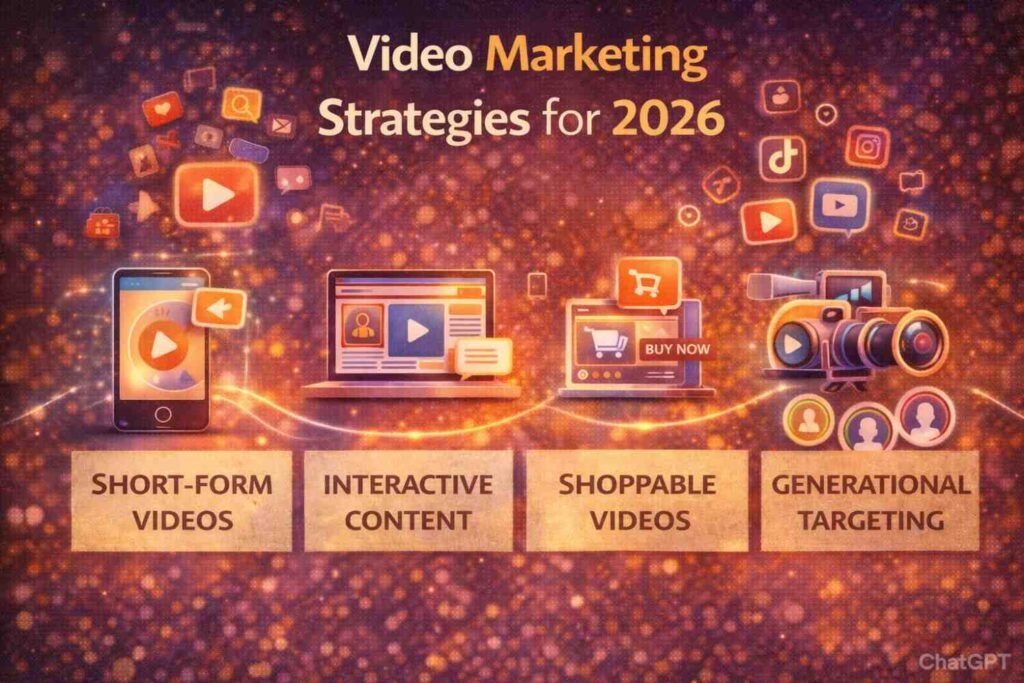
Video content has become an indispensable component of digital marketing, and its significance will only continue to grow as we approach 2026. The rise of platforms like YouTube, TikTok, and Instagram Reels has demonstrated the power of video in capturing attention and driving engagement. As internet speeds increase and technology advances, the consumption of video content is expected to soar, making it a crucial element of any comprehensive marketing strategy.
To leverage the full potential of video marketing, businesses must adopt innovative strategies that resonate with their audience. Storytelling will remain a vital aspect, as compelling narratives can create emotional connections and drive brand loyalty. Additionally, live video will gain prominence, offering real-time interaction and authenticity that recorded videos cannot match. Live streaming events, Q&A sessions, and product demonstrations will become more prevalent, providing opportunities for direct engagement with customers.
Moreover, short-form videos will continue to dominate social media, thanks to their snackable and shareable nature. Marketers will need to create concise, impactful content that delivers key messages within a short timeframe. Interactive videos, incorporating elements such as polls, quizzes, and clickable links, will also enhance viewer engagement and drive conversions. As video marketing evolves, businesses that stay ahead of trends and adapt their strategies will be well-positioned for success.
The Growth of Influencer Marketing
Influencer marketing has emerged as a powerful tool for brands to reach and engage their target audience. By 2026, this trend is expected to grow even further, with influencers playing a pivotal role in shaping consumer behavior. Unlike traditional advertising, influencer marketing leverages the trust and authenticity that influencers have built with their followers, making it a highly effective strategy for driving brand awareness and conversions.
One of the key factors contributing to the growth of influencer marketing is the increasing importance of social proof. Consumers are more likely to trust recommendations from individuals they follow and admire rather than from brands themselves. This makes influencers valuable partners in promoting products and services. As the market matures, we can expect to see a rise in micro-influencers, who, despite having smaller followings, often have higher engagement rates and more niche audiences.
Additionally, the integration of AI and data analytics will revolutionize influencer marketing. These technologies will enable brands to identify the most suitable influencers based on metrics such as engagement rates, audience demographics, and content alignment. This data-driven approach will ensure more effective collaborations and better ROI. As influencer marketing continues to evolve, brands that strategically partner with influencers will be able to build stronger connections with their audience and achieve their marketing goals.
Sustainability and Ethical Marketing Practices
As consumers become increasingly conscious of environmental and social issues, sustainability and ethical marketing practices are gaining importance. By 2026, businesses that prioritize these values will not only enhance their brand reputation but also meet the growing demand for responsible consumption. Sustainable marketing involves promoting products and practices that have a positive impact on the environment and society, while ethical marketing emphasizes transparency, honesty, and fairness in all marketing activities.
To succeed in this landscape, brands must adopt a holistic approach to sustainability, integrating it into every aspect of their operations and communications. This includes using eco-friendly materials, reducing carbon footprints, and supporting social causes. Transparent communication about these efforts is crucial, as consumers are increasingly skeptical of greenwashing—when companies falsely claim to be environmentally friendly. Authenticity and accountability will be key in building trust and loyalty among eco-conscious consumers.
Moreover, ethical marketing practices extend beyond environmental concerns to include issues such as data privacy, fair labor practices, and inclusivity. Brands that demonstrate a commitment to these principles will stand out in a crowded marketplace. By aligning their values with those of their customers, businesses can create meaningful connections and foster long-term loyalty. As we move towards 2026, sustainability and ethical marketing will be essential components of a successful digital marketing strategy.
Data Privacy and Its Implications for Digital Marketing
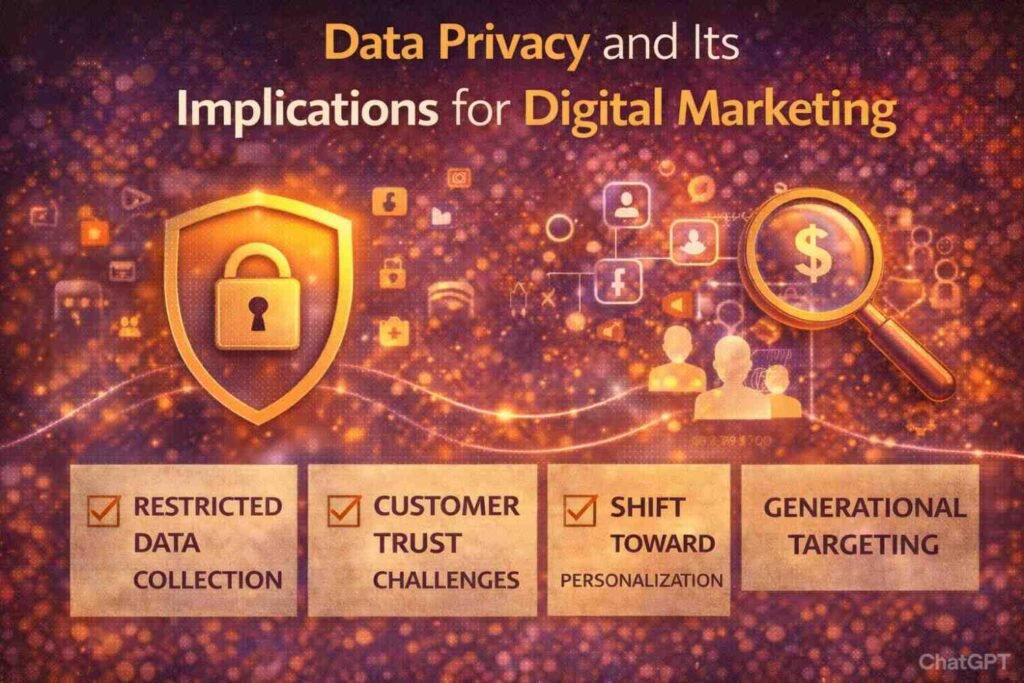
Data privacy has become a critical concern for both consumers and businesses, and its implications for digital marketing are profound. With the introduction of regulations such as the General Data Protection Regulation (GDPR) and the California Consumer Privacy Act (CCPA), businesses are now required to handle customer data with greater care and transparency. By 2026, data privacy will continue to be a focal point, shaping how marketers collect, store, and use consumer information.
One of the key challenges for marketers will be balancing personalization with privacy. While personalized experiences drive engagement and conversions, they rely on the collection and analysis of customer data. To navigate this, businesses must implement robust data protection measures and obtain explicit consent from consumers before collecting their information. Transparency about data usage and providing options for consumers to manage their preferences will be essential in building trust.
Additionally, the rise of privacy-focused technologies, such as blockchain and decentralized data storage, will offer new ways to secure customer data and ensure compliance with regulations. These technologies will enable consumers to have greater control over their personal information, fostering a sense of security and trust. As data privacy continues to evolve, businesses that prioritize ethical data practices and transparency will be better positioned to build lasting relationships with their customers.
The Role of Augmented Reality in Consumer Engagement
Augmented Reality (AR) is transforming the way consumers interact with brands, offering immersive and interactive experiences that enhance engagement. By 2026, AR is expected to become a mainstream technology, revolutionizing various aspects of digital marketing. From virtual try-ons to interactive product demonstrations, AR provides innovative ways for consumers to experience products and services, bridging the gap between online and offline shopping.
One of the most significant applications of AR in marketing is in the retail sector. AR-powered apps allow customers to visualize how products will look or fit before making a purchase, reducing the uncertainty and enhancing the shopping experience. For instance, furniture retailers can offer AR tools that enable customers to see how a piece of furniture will look in their home, while beauty brands can provide virtual try-on options for makeup products. These interactive experiences not only increase customer satisfaction but also drive sales and reduce return rates.
Moreover, AR can be leveraged for creating engaging marketing campaigns and enhancing brand storytelling. Interactive AR ads can capture attention and provide a memorable experience that resonates with consumers. Brands can also use AR to create unique events and experiences, such as virtual pop-up stores or interactive product launches. As AR technology continues to advance, businesses that embrace its potential will be able to create more engaging and immersive experiences, setting themselves apart from the competition.
Conclusion: Preparing for the Future of Digital Marketing
As we look towards 2026, it is clear that the digital marketing landscape will continue to evolve, driven by advancements in technology and changing consumer expectations. Staying ahead of the curve requires businesses to be agile and forward-thinking, embracing new trends and innovations that will shape the industry’s future. From the rise of AI and voice search optimization to the importance of personalization and sustainability, each trend presents unique opportunities and challenges.
To thrive in this dynamic environment, businesses must adopt a holistic and integrated approach to digital marketing. This involves leveraging data-driven insights, prioritizing customer experience, and staying informed about regulatory changes. Collaboration and continuous learning will be essential, as marketers must stay abreast of emerging technologies and best practices. By fostering a culture of innovation and adaptability, businesses can navigate the complexities of the digital landscape and achieve long-term success.
Ultimately, the future of digital marketing will be defined by those who are willing to embrace change and take bold steps towards innovation. By understanding and capitalizing on the trends that will shape the industry in 2026, businesses can create meaningful connections with their audience, drive growth, and build a sustainable and ethical brand. As we prepare for the future, one thing is certain: the possibilities for digital marketing are limitless, and the journey has only just begun.