
Unlock the potential of your digital marketing strategy with our guide to mastering SEO. Discover techniques that can elevate your online presence today!
Understanding SEO: What It Is and Why It Matters
Search Engine Optimization (SEO) is an essential component in the digital marketing toolkit. Essentially, SEO involves optimizing your website and its content to rank higher in search engine results pages (SERPs). When done correctly, SEO can drive significant organic traffic to your site, improving visibility and offering better opportunities for conversions. Given that the majority of online experiences begin with a search engine, mastering SEO is critical for any business looking to establish a robust online presence.
In a world where billions of searches are conducted daily, standing out in the crowded digital landscape is no small feat. SEO helps you achieve this by making your website more attractive to search engines. This involves a blend of technical finesse, high-quality content, and strategic link building. Not only does SEO help in attracting more visitors, but it also ensures that these visitors are relevant to your business, thereby increasing the likelihood of conversions and customer retention.
Moreover, SEO is cost-effective compared to other digital marketing strategies like paid advertising. While paid ads offer immediate results, SEO provides sustainable, long-term benefits. The organic traffic gained through SEO continues to flow as long as your website maintains its optimized state. This makes SEO an indispensable part of any comprehensive digital marketing strategy.
Key Components of SEO: On-Page vs. Off-Page
SEO can be broadly categorized into two main components: on-page SEO and off-page SEO. On-page SEO refers to the optimization techniques applied directly to your website’s pages. This includes elements like meta tags, headers, URL structure, and keyword usage. On-page SEO is within your direct control and is critical for ensuring that your content is accessible and understandable to both search engines and users.
On the other hand, off-page SEO involves activities carried out outside of your website to improve its search engine rankings. This includes strategies like link building, social media marketing, and influencer collaborations. Off-page SEO is essential for building your website’s authority and credibility in the eyes of search engines. While on-page SEO helps search engines understand what your site is about, off-page SEO signals to search engines that your site is valuable and worth ranking highly.
Both on-page and off-page SEO are crucial for a balanced and effective SEO strategy. Neglecting either aspect can hinder your website’s performance in search engine rankings. Therefore, a comprehensive SEO approach should include a well-thought-out plan for both on-page and off-page optimization techniques.
The Importance of Keyword Research in SEO
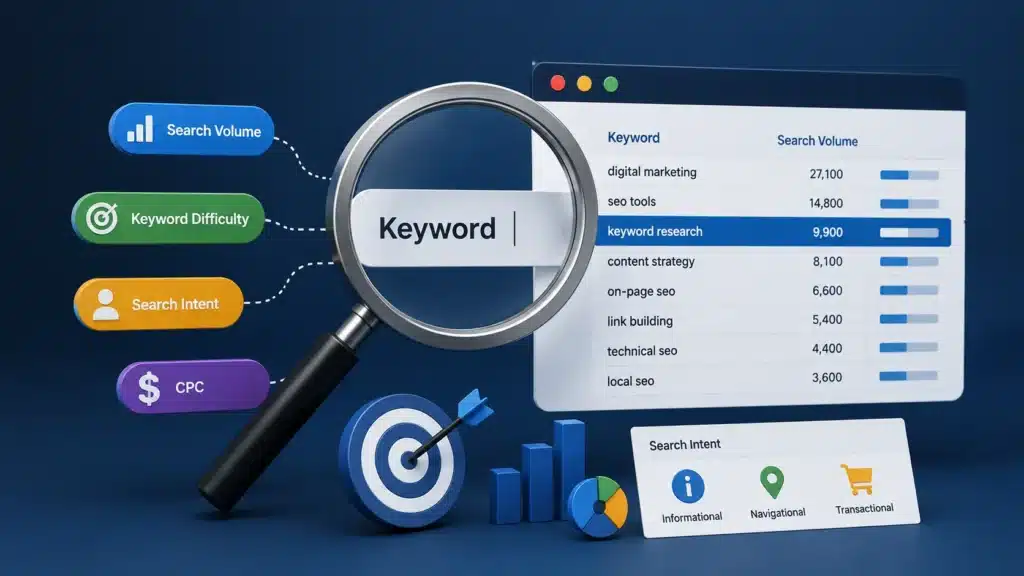
Keyword research is the cornerstone of any successful SEO strategy. It involves identifying the search terms and phrases that your target audience uses when looking for products, services, or information related to your business. By understanding what keywords are most relevant to your audience, you can create content that meets their needs and ranks well in search engine results.
The process of keyword research begins with brainstorming a list of potential keywords related to your industry. Tools like Google Keyword Planner, SEMrush, and Ahrefs can help you refine this list by providing data on search volume, keyword difficulty, and competition. It’s important to strike a balance between high-volume keywords that attract a lot of traffic and long-tail keywords that may have lower search volumes but are more specific and often less competitive.
Effective keyword research goes beyond just finding the right keywords. It involves understanding the search intent behind those keywords. Are users looking for information, trying to make a purchase, or seeking a specific service? By tailoring your content to match the search intent, you can provide a better user experience and improve your chances of ranking higher in search results.
Crafting SEO-Friendly Content: Best Practices
Creating SEO-friendly content is an art that involves balancing the needs of search engines with the preferences of your audience. One of the most important aspects of SEO-friendly content is its relevance and quality. High-quality content that answers your audience’s questions and provides value will naturally attract more traffic and backlinks, both of which are crucial for SEO.
To craft SEO-friendly content, start by incorporating your target keywords naturally into your text. Keywords should appear in strategic locations such as the title, headers, and first paragraph, but avoid keyword stuffing as it can lead to penalties from search engines. Additionally, using synonyms and related terms can help search engines understand the context of your content and improve its relevance.
Another best practice is to ensure that your content is easy to read and engaging. Use short paragraphs, bullet points, and subheadings to break up the text and make it more digestible. Multimedia elements like images, videos, and infographics can also enhance the user experience and increase the time visitors spend on your site, which is a positive signal to search engines.
Technical SEO: Optimizing Your Website’s Performance
Technical SEO focuses on optimizing the backend elements of your website to improve its performance and make it easier for search engines to crawl and index your pages. One of the most critical aspects of technical SEO is website speed. A slow-loading website can significantly affect user experience and lead to higher bounce rates. Tools like Google PageSpeed Insights can help you identify areas where you can improve your site’s speed.
Another important element of technical SEO is mobile-friendliness. With the increasing number of users accessing the internet via mobile devices, search engines prioritize mobile-friendly websites in their rankings. Ensure that your website is responsive and offers a seamless experience across different devices and screen sizes.
Other technical SEO practices include optimizing your website’s architecture, using HTTPS for secure connections, and creating an XML sitemap to help search engines navigate your site more efficiently. Implementing structured data markup can also enhance your search engine listings by providing additional information like ratings, prices, and event details directly in the search results.
Link Building Strategies to Enhance Your SEO
Link building is a crucial aspect of off-page SEO that involves acquiring backlinks from other websites to your own. High-quality backlinks act as endorsements, signaling to search engines that your content is valuable and trustworthy. However, not all backlinks are created equal. Links from authoritative and relevant sites carry more weight than those from low-quality or unrelated sites.
One effective link building strategy is to create high-quality, shareable content that naturally attracts backlinks. This could include in-depth guides, original research, infographics, or other types of content that provide value to your audience. Outreach is another important tactic. By building relationships with industry influencers, bloggers, and journalists, you can increase your chances of earning valuable backlinks.
Guest blogging is another popular link building strategy. By contributing high-quality articles to reputable websites in your industry, you can include backlinks to your own site. However, it’s important to focus on quality over quantity and avoid spammy practices that can result in penalties from search engines.
Local SEO: Reaching Your Target Audience Effectively

Local SEO is essential for businesses that operate in specific geographic areas. It involves optimizing your online presence to attract more local customers. One of the most important elements of local SEO is creating and optimizing your Google My Business (GMB) listing. This free tool allows you to provide essential information about your business, such as your address, phone number, hours of operation, and customer reviews.
In addition to GMB, local citations play a crucial role in local SEO. These are mentions of your business on other websites, such as online directories and local news sites. Consistency is key when it comes to citations. Ensure that your business information is accurate and consistent across all platforms to avoid confusing search engines and users.
Another effective local SEO strategy is to create locally-focused content. This could include blog posts about local events, news, or topics relevant to your community. By incorporating local keywords and addressing the needs of your local audience, you can improve your chances of ranking higher in local search results.
Digitalarka is the best local SEO agency in Delhi-NCR which customized your GMB profile and give you calls and leads.
Measuring SEO Success: Tools and Metrics to Track
Measuring the success of your SEO efforts is crucial for understanding what’s working and where you can improve. Various tools and metrics can help you track your performance. Google Analytics is one of the most popular tools for monitoring website traffic, user behavior, and conversion rates. It provides valuable insights into how users interact with your site and which pages are performing well.
Another essential tool is Google Search Console, which helps you monitor your website’s presence in Google search results. It provides data on search queries, click-through rates, and any issues that may affect your site’s performance. By regularly checking Search Console, you can identify and resolve potential problems before they impact your rankings.
Key metrics to track include organic traffic, bounce rate, average session duration, and conversion rate. Additionally, monitoring your keyword rankings can help you understand how well your content is performing in search results. By analyzing these metrics, you can make data-driven decisions to optimize your SEO strategy and achieve better results.
There are many AI SEO tools in the market which helps you to check ypur website performance more fast and efficiently.
Common SEO Mistakes to Avoid
While SEO can be highly effective, there are common mistakes that can hinder your progress. One of the most significant errors is neglecting keyword research. Without understanding what your audience is searching for, you may end up targeting the wrong keywords and missing out on valuable traffic. Regularly updating your keyword strategy based on current trends and user behavior is essential for maintaining a competitive edge.
Another common mistake is focusing too much on search engines and not enough on the user experience. Keyword stuffing, poor-quality content, and intrusive ads can drive users away and negatively impact your rankings. Prioritize creating valuable, engaging content that meets the needs of your audience while incorporating SEO best practices.
Technical issues can also pose significant challenges. Broken links, slow page load times, and poor mobile optimization can all harm your SEO efforts. Regularly auditing your site and addressing technical issues promptly is crucial for maintaining a healthy and optimized website.
Future Trends in SEO: Staying Ahead of the Curve
The world of SEO is constantly evolving, and staying ahead of the curve is essential for maintaining a competitive advantage. One emerging trend is the increasing importance of voice search. With the rise of smart speakers and voice-activated assistants, optimizing your content for voice search is becoming more critical. This involves focusing on natural language, long-tail keywords, and answering common questions concisely.
Another trend is the growing emphasis on user experience (UX). Search engines are placing more weight on factors like page load speed, mobile-friendliness, and overall site usability. Investing in UX improvements not only enhances your SEO but also provides a better experience for your visitors, leading to higher engagement and conversions.
Artificial intelligence (AI) and machine learning are also shaping the future of SEO. Search engines are becoming more sophisticated in understanding user intent and delivering personalized results. Staying updated on AI advancements and incorporating these insights into your SEO strategy can help you stay ahead of the competition and adapt to the ever-changing digital landscape.
In conclusion, mastering SEO is a multifaceted endeavor that requires a deep understanding of various components and best practices. By focusing on on-page and off-page SEO, conducting thorough keyword research, creating high-quality content, optimizing technical aspects, and staying updated on future trends, you can significantly boost your digital marketing strategy and achieve long-term success.