

Digital Arka

Website Archive Sites

Website Archive Sites

Unlocking the Past: How Website Archive Sites Can Revive Your Digital Memories

In our fast-paced digital age, memories can feel fleeting, lost within the vastness of the internet. Yet, there’s a treasure trove of nostalgia waiting to be discovered through website archive sites. These powerful tools allow you to journey back in time, reviving long-forgotten digital footprints and cherished moments. Whether you’re a historian revisiting pivotal online events, a content creator reflecting on past inspirations, or simply someone eager to relive the evolution of your favorite websites, archiving platforms offer unparalleled access to the web’s rich history. Imagine browsing through snapshots of websites as they once were—complete with designs you loved, articles that shaped your perspective, and even personal projects you thought were gone forever. Dive into the world of digital archaeology, and let website archives help you unlock the past, reigniting memories that have shaped your online experience and connecting you with the vibrant history of the internet.

The Importance of Digital Preservation

In an era where the digital realm plays a pivotal role in our daily lives, the preservation of online content has never been more crucial. Digital preservation ensures that the valuable information, cultural artifacts, and personal memories stored on the internet remain accessible for future generations. Unlike physical documents, digital content is susceptible to rapid obsolescence due to technological advancements and the transient nature of web hosting. This makes the role of digital preservation even more significant, as it safeguards our collective online heritage.

The internet, being a dynamic and ever-changing entity, sees millions of websites updated, revamped, or even deleted daily. Without proper archiving, significant portions of our digital history could vanish without a trace. This would lead to a substantial loss of knowledge, creativity, and historical context. Digital preservation, therefore, serves as a crucial tool for maintaining the integrity of the web’s rich tapestry, allowing future historians, researchers, and curious individuals to access and learn from past online phenomena.

Moreover, digital preservation is not just about saving websites for posterity; it also involves protecting the diverse and multifaceted nature of online content. From early internet forums and blogs to modern social media platforms, every piece of online content contributes to the broader narrative of our digital evolution. By preserving these elements, we ensure that the internet remains a comprehensive and inclusive record of human experience, capturing the voices, ideas, and innovations that define our digital age.

How Website Archive Sites Work

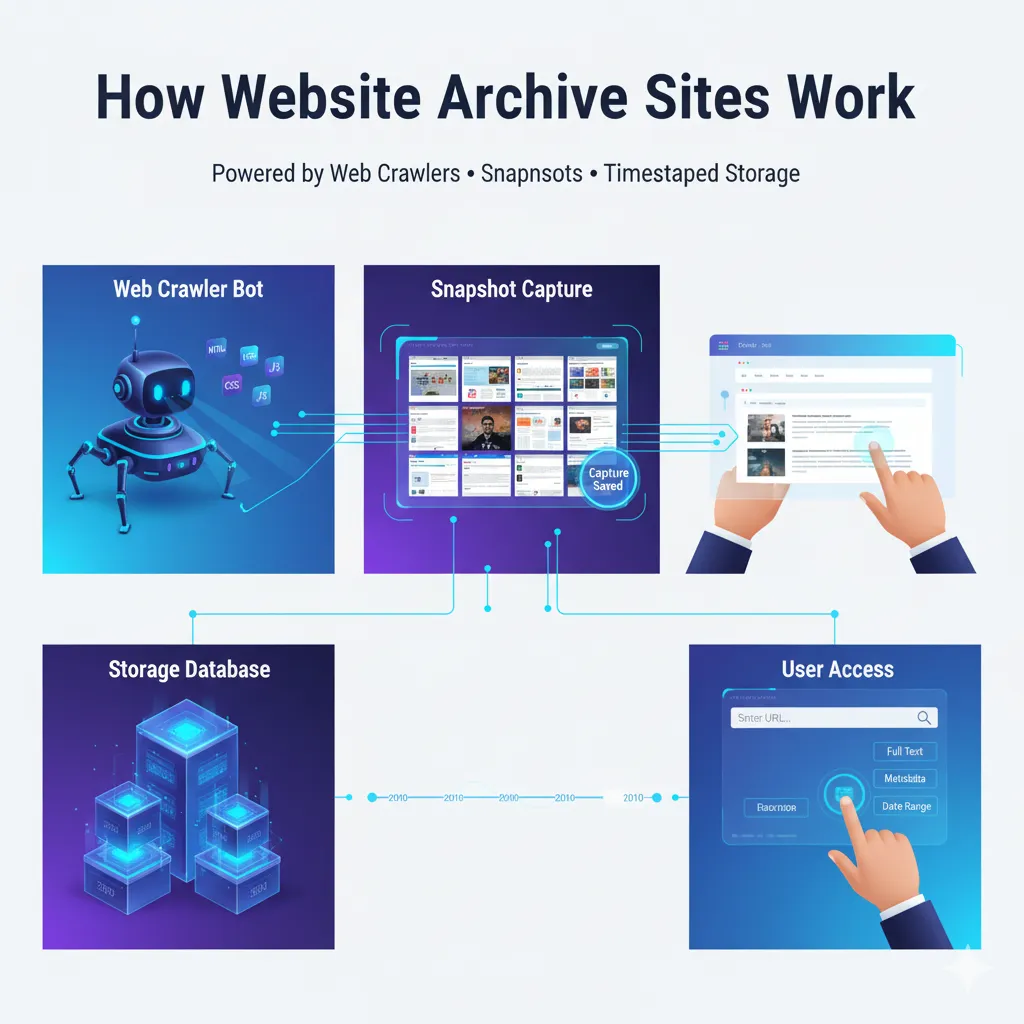
Website archive sites operate on the principle of capturing and storing snapshots of web pages at different points in time. These snapshots, often referred to as “captures” or “archives,” are stored in a vast database that users can access to view the historical versions of websites. The process begins with web crawlers, automated programs that systematically browse the internet and record content. These crawlers mimic the behavior of regular web users, navigating through links, and capturing the content they encounter.
How Website Archive Sites Work

Once captured, the content is stored in a specialized format that preserves its structure and functionality. This includes HTML, CSS, images, and sometimes even interactive elements like JavaScript. The archived snapshots are then indexed and made searchable through the archive site’s interface, allowing users to retrieve and view them with ease. The preservation of the website’s original layout and design is crucial, as it provides an authentic representation of how the site appeared at the time of capture.

Users can access these archives through various means, such as searching for specific URLs, keywords, or using timeline features that display captures from different dates. Some archive sites also offer advanced tools like full-text search, metadata filtering, and API access for developers. By providing these functionalities, website archive sites enable users to delve deep into the annals of the internet, uncovering valuable information and reliving digital memories from the past.

Popular Website Archive Sites to Explore

One of the most well-known and widely used website archive sites is the Internet Archive’s Wayback Machine. Launched in 2001, the Wayback Machine allows users to browse through over 500 billion web pages archived since 1996. Its extensive collection makes it an invaluable resource for researchers, historians, and anyone interested in exploring the history of the internet. The Wayback Machine’s user-friendly interface and powerful search capabilities make it easy to find and view archived content from virtually any website.

Another prominent archive site is Archive-It, a subscription-based service also operated by the Internet Archive. Archive-It enables institutions, such as libraries, museums, and universities, to create, manage, and preserve their own web archives. This service offers a more tailored approach to digital preservation, allowing organizations to focus on specific collections and themes relevant to their missions. Archive-It provides advanced tools for metadata management, full-text search, and access control, making it a versatile solution for institutional archiving needs.

For those interested in a more community-driven approach, the WebCite service offers an on-demand archiving solution. WebCite allows users to submit URLs for immediate archiving, creating permanent snapshots of web pages that can be cited in academic papers, legal documents, and other contexts where long-term access is essential. While WebCite’s coverage may not be as extensive as the Wayback Machine, its ability to create and share archives quickly makes it a valuable tool for preserving and referencing online content.

Benefits of Using Archive Sites for Personal and Professional Use

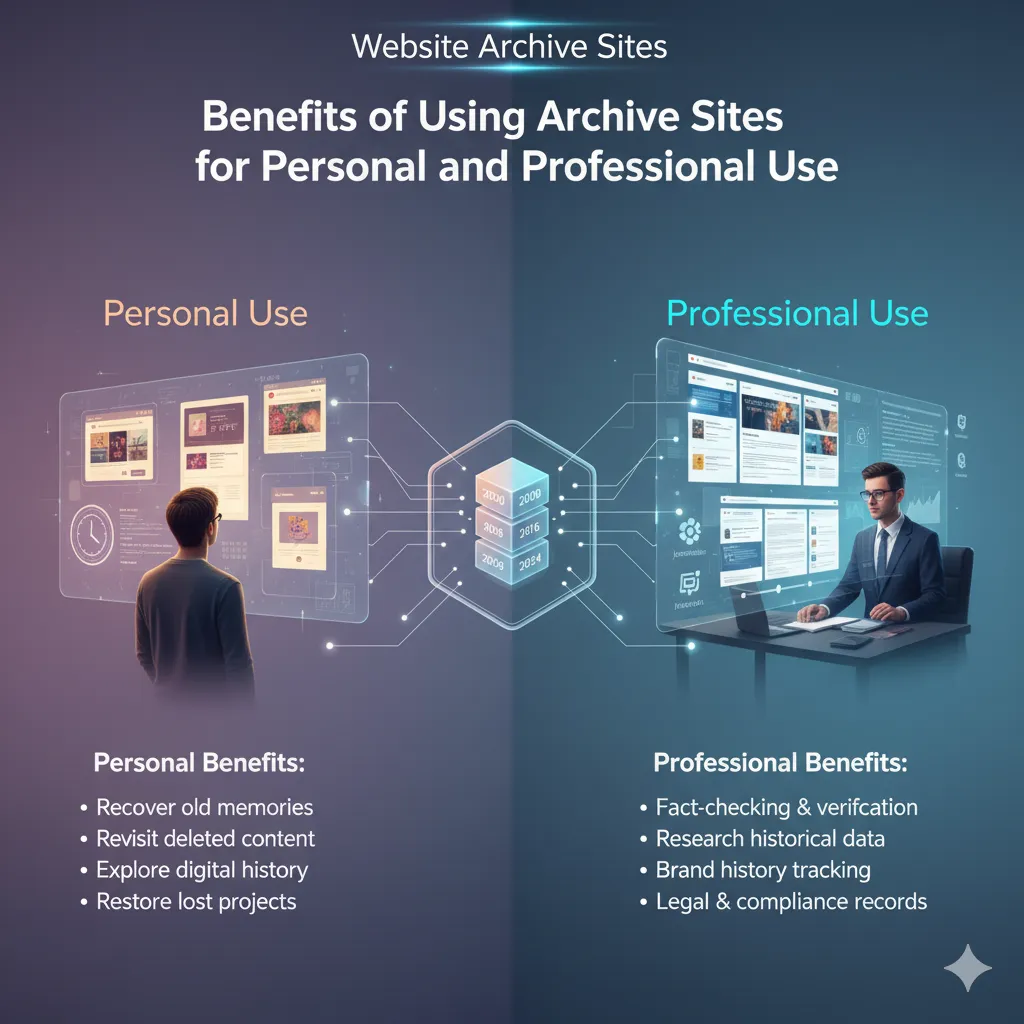
Website archive sites offer a multitude of benefits for both personal and professional use. On a personal level, these archives serve as a digital time capsule, allowing individuals to revisit significant moments from their online past. Whether it’s an old blog, a long-forgotten social media post, or a favorite website that no longer exists, archive sites provide a way to relive these experiences and reconnect with the memories they evoke. This can be particularly meaningful for those who have lost digital content due to hardware failures, platform closures, or other unforeseen events.

Professionally, website archive sites are invaluable tools for researchers, journalists, and historians. They offer a reliable means of accessing historical web content, which can be crucial for verifying information, tracing the evolution of ideas, and understanding the context of past events. Journalists, for instance, can use web archives to fact-check statements, track the development of news stories, and uncover original sources that may have been altered or removed. Historians can examine archived websites to study cultural trends, document social movements, and analyze the impact of technological advancements over time.
Benefits of Using Archive Sites for Personal and Professional UseBenefits of Using Archive Sites for Personal and Professional Use

Additionally, website archive sites can benefit businesses and organizations by providing a record of their online presence. This can be useful for brand management, legal purposes, and strategic planning. Companies can review archived versions of their websites to assess the effectiveness of past marketing campaigns, track changes in customer engagement, and ensure compliance with regulatory requirements. By preserving their digital footprint, businesses can maintain a comprehensive and transparent record of their online activities, which can be invaluable for future reference and decision-making.

Case Studies: Reviving Lost Digital Memories

Consider the case of a digital historian researching the early days of the internet. By utilizing the Wayback Machine, they can access archived versions of pioneering websites like the first-ever web page created by Tim Berners-Lee. This allows the historian to study the foundational elements of web design, content organization, and user interaction, providing insights into how the internet has evolved over the years. Such an exploration not only enriches our understanding of digital history but also highlights the significance of preserving early web content for future generations.

Another compelling example is that of a journalist investigating the origins of a viral news story. By accessing archived pages through website archive sites, the journalist can trace the story’s development, identify original sources, and verify the authenticity of claims. This process helps uncover the truth behind the narrative and ensures accurate reporting. In an age where misinformation can spread rapidly, the ability to access historical web content is a powerful tool for maintaining journalistic integrity and accountability.

On a more personal note, imagine a content creator who has been active online for over a decade. By exploring archived versions of their old blogs, social media profiles, and personal websites, they can reflect on their creative journey and see how their style, ideas, and audience have evolved over time. This retrospective can be both nostalgic and enlightening, providing valuable insights into their growth as a creator. It also serves as a reminder of the importance of preserving digital content, as it captures the essence of their creative expression across different stages of their life.

How to Navigate and Utilize Archive Sites Effectively

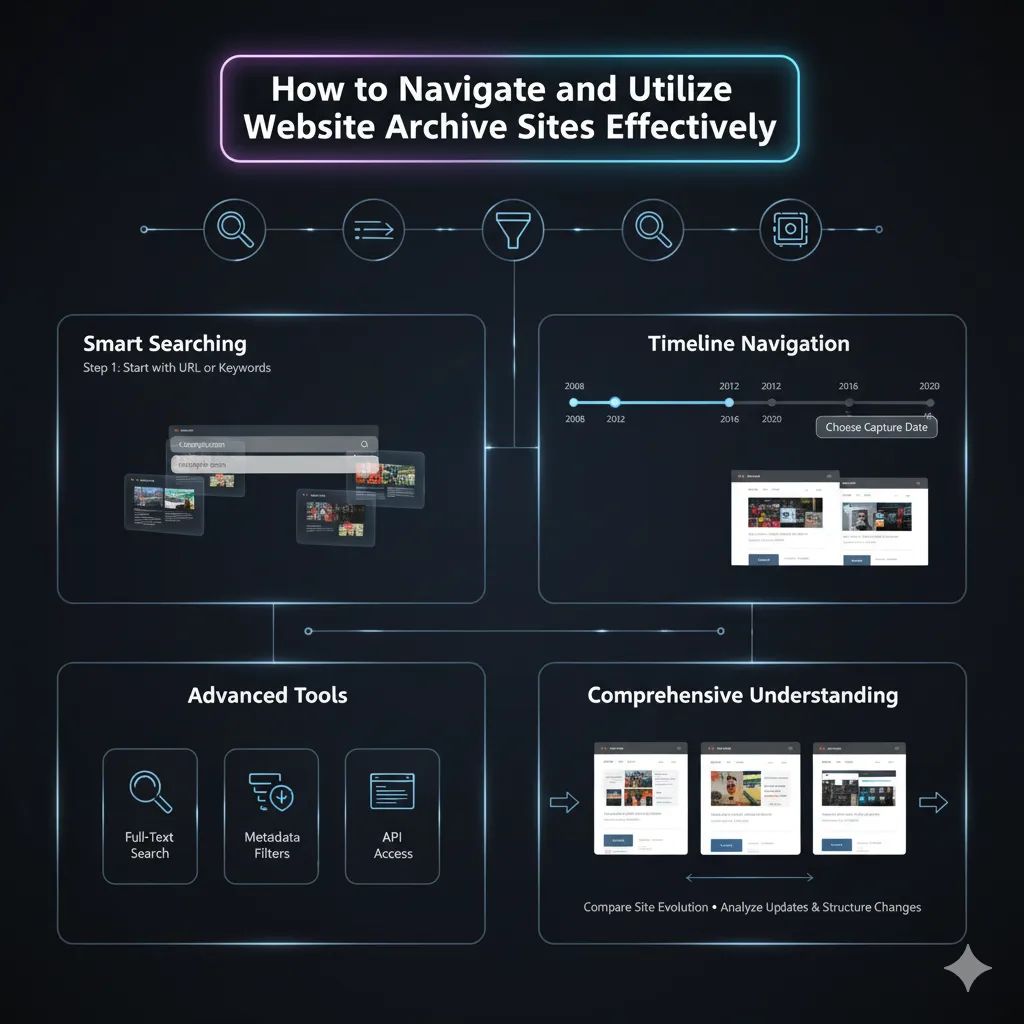
Navigating website archive sites effectively requires a combination of strategic searching and familiarity with the tools available. Start by identifying the specific URL or keywords related to the content you wish to access. Most archive sites offer a search bar where you can enter these details to locate relevant captures. If you’re unsure of the exact URL, using broader keywords or domain names can help you discover a range of archived pages associated with your query.

Once you’ve located the desired content, utilize the timeline feature that many archive sites provide. This feature displays a chronological list of captures, allowing you to select and view snapshots from different dates. By examining multiple captures, you can gain a comprehensive understanding of how a website has changed over time. This can be particularly useful for tracking the evolution of web design, content updates, and user interactions.
How to Navigate and Utilize Archive Sites Effectively

For more advanced research, take advantage of the additional tools and functionalities offered by archive sites. Features like full-text search, metadata filtering, and API access can enhance your ability to find and analyze specific content. Full-text search allows you to search within the text of archived pages, making it easier to locate relevant information. Metadata filtering enables you to narrow down your search based on specific criteria, such as date ranges, content types, and languages. API access provides developers with the ability to programmatically retrieve and analyze archived data, facilitating large-scale research projects and custom applications.

The Future of Digital Archiving

As technology continues to advance, the future of digital archiving holds exciting possibilities. One of the key areas of development is the integration of artificial intelligence (AI) and machine learning into the archival process. These technologies can enhance the efficiency and accuracy of web crawlers, enabling them to capture and index content more effectively. AI-powered tools can also assist with metadata generation, content analysis, and pattern recognition, making it easier to organize and retrieve archived information.

Another promising trend is the growth of decentralized archiving solutions. Traditional archiving methods rely on centralized servers and databases, which can be vulnerable to data loss, security breaches, and censorship. Decentralized approaches, such as blockchain-based archiving, offer a more resilient and transparent alternative. By distributing archived content across a network of nodes, these solutions ensure that the data remains accessible and tamper-proof. This can significantly enhance the reliability and integrity of digital archives, providing a more robust foundation for long-term preservation.

The future of digital archiving also involves greater collaboration and standardization among institutions, organizations, and individuals. By establishing common protocols, best practices, and interoperability standards, the archival community can create a more cohesive and comprehensive web of preserved content. This collaborative approach will facilitate the sharing of resources, expertise, and technological innovations, ultimately leading to more effective and inclusive digital preservation efforts. As the internet continues to evolve, the commitment to preserving its rich history will ensure that the digital memories of today remain accessible and meaningful for generations to come.

Challenges and Limitations of Website Archive Sites

Despite their many benefits, website archive sites face several challenges and limitations that impact their effectiveness and comprehensiveness. One significant challenge is the sheer scale of the internet. With billions of web pages constantly being created, updated, and deleted, it is impossible for archive sites to capture and preserve every piece of online content. This means that some websites, especially those with lower visibility or shorter lifespans, may be underrepresented or entirely absent from archives.

Another challenge is the technical complexity of web content. Modern websites often feature dynamic elements, interactive components, and multimedia content that can be difficult to capture and preserve accurately. Web crawlers may struggle to replicate user interactions, load asynchronous content, or capture embedded media, resulting in incomplete or broken archives. This technical limitation can hinder the ability of users to access and interact with archived content as it originally appeared.

Legal and ethical considerations also pose challenges for website archive sites. Issues related to copyright, privacy, and data protection can complicate the process of archiving and providing access to web content. Archive sites must navigate these legal frameworks while balancing the need to preserve digital history with respect for individual rights and intellectual property. This can lead to the exclusion or restriction of certain content, limiting the scope and accessibility of archives.

Conclusion: Embracing the Past for a Better Digital Future

As we navigate the ever-changing landscape of the digital age, the importance of preserving our online history cannot be overstated. Website archive sites serve as invaluable tools for unlocking the past, allowing us to revisit and reflect on the digital memories that have shaped our lives. By capturing and preserving the rich tapestry of web content, these archives provide a window into the evolution of the internet, offering insights into cultural trends, technological advancements, and personal experiences.

The benefits of website archive sites extend far beyond nostalgia. For researchers, journalists, historians, and businesses, they offer a reliable and accessible means of accessing historical web content, verifying information, and conducting in-depth analyses. The ability to navigate and utilize these archives effectively can enhance our understanding of the digital world and inform our decisions in the present.

Despite the challenges and limitations, the future of digital archiving holds great promise. Advancements in technology, such as AI and decentralized solutions, will enhance the efficiency, accuracy, and resilience of archival efforts. Collaboration and standardization within the archival community will further strengthen our collective ability to preserve and share digital content.

Ultimately, embracing the past through website archive sites allows us to build a better digital future. By safeguarding our online heritage, we ensure that the knowledge, creativity, and experiences of today remain accessible and meaningful for generations to come. As we continue to explore and innovate in the digital realm, the commitment to preserving its history will serve as a foundation for a more informed, connected, and enriched world.

Leave a Reply

Your email address will not be published. Required fields are marked *