
Unlock the secrets to compelling content with our guide on mastering article writing format. Discover essential tips to elevate your writing in 2026!
Understanding the Importance of Article Writing Format
In an era where content is king, mastering the article writing format is critical. The digital landscape is saturated with information, and only the most well-structured articles capture and retain a reader’s attention. A well-formatted article is not just aesthetically pleasing; it also enhances readability, ensuring that your audience can effortlessly consume your content. The importance of format extends beyond visual appeal to include the logical flow of ideas, making complex information accessible and engaging.
The significance of article format is magnified in 2026 as readers’ attention spans continue to shrink. Research indicates that the average human attention span has dropped significantly over the years, making it imperative for writers to present their content in an enticing and digestible manner. A meticulously structured article helps in guiding the reader through your narrative, ensuring that they not only start reading but also make it to the end.
Moreover, a well-formatted article is essential for optimizing your content for search engines. SEO-friendly formatting can significantly boost your article’s visibility, making it easier for your target audience to find your content. This aspect is particularly crucial as search algorithms become more sophisticated, prioritizing user experience and content structure in their ranking criteria. Thus, understanding and implementing effective article writing formats can greatly enhance both reader engagement and search engine rankings.
Key Elements of a Well-Structured Article
A well-structured article is akin to a well-crafted story, where every element works in harmony to create a compelling narrative. The foundational elements of a well-structured article include a captivating introduction, a coherent body, and a resonant conclusion. Each of these components plays a vital role in ensuring the overall coherence and effectiveness of your article.
The introduction serves as the gateway to your article, setting the tone and context for what follows. It should be engaging enough to hook the reader’s interest from the outset. A powerful introduction not only introduces the topic but also provides a glimpse into the value the reader will gain by continuing to read. This section should be succinct yet informative, offering just enough to pique curiosity without overwhelming the reader with information.
Always answer the main question and query first in intro then providing generic intro because it is a best practice to rank our content in AI overview.
The body of your article is where the main content resides. It should be meticulously organized into clear and logical sections, each focusing on a specific aspect of the topic. This is where subheadings come into play, breaking down the content into manageable chunks and guiding the reader through your argument or narrative. Each paragraph should flow seamlessly into the next, maintaining a coherent thread throughout the article. Additionally, supporting evidence, examples, and anecdotes can enrich the content, making it more relatable and engaging.
Finally, the conclusion ties everything together, summarizing the key points and reinforcing the main message of the article. It should leave a lasting impression, prompting the reader to reflect on the content and consider any calls to action you may have included. A well-crafted conclusion not only provides closure but also encourages further engagement, whether through comments, shares, or exploring related content.
The Role of Headlines and Subheadings
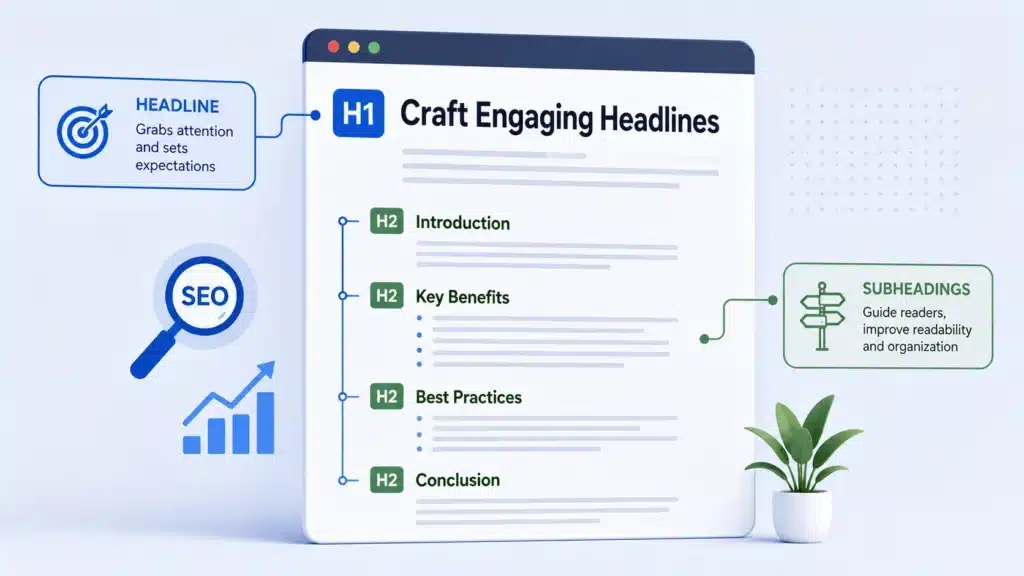
Headlines and subheadings are instrumental in capturing attention and guiding the reader through your article. A compelling headline serves as the first impression of your content, often determining whether a reader will click on your article or scroll past it. In 2026, the art of crafting headlines has evolved to balance creativity with SEO considerations, ensuring that your content is both enticing and discoverable.
A powerful headline is concise, clear, and intriguing. It should give the reader a clear idea of what to expect while sparking curiosity. Including relevant keywords in your headline not only improves SEO but also ensures that your article reaches the right audience. However, it’s crucial to avoid clickbait tactics; your headline must accurately reflect the content of your article to build trust with your readers.
Subheadings, on the other hand, play a crucial role in enhancing the readability and organization of your article. They act as signposts, guiding the reader through different sections and making it easier to navigate the content. Effective subheadings break down the article into manageable chunks, allowing readers to skim through and find the information they’re most interested in. This is particularly important for online readers who often scan content rather than reading it word-for-word.
Moreover, subheadings help in maintaining the logical flow of your article. Each subheading should introduce a new section or idea, ensuring a smooth transition between different parts of your content. They also provide an opportunity to integrate secondary keywords, enhancing the SEO value of your article. By using clear and descriptive subheadings, you can improve both the user experience and the search engine performance of your content.
Developing Clear and Concise Body Content
The body content of your article is where you deliver the meat of your message. In 2026, the emphasis on clarity and conciseness has never been greater. Readers are looking for content that is easy to understand, informative, and to the point. Developing clear and concise body content requires careful planning and a keen understanding of your audience’s needs and preferences.
One of the key strategies for creating clear content is to focus on one main idea per paragraph. This not only makes your content easier to follow but also ensures that each point is thoroughly explored before moving on to the next. Avoid cramming multiple ideas into a single paragraph, as this can confuse the reader and dilute your message. Instead, use short, focused paragraphs to maintain clarity and coherence throughout your article.
Conciseness is equally important. In today’s fast-paced digital world, readers don’t have the time or patience for long-winded explanations. Aim to communicate your points as succinctly as possible without sacrificing depth or detail. This involves eliminating unnecessary words, avoiding redundancy, and getting straight to the point. Using active voice, simple language, and short sentences can also enhance the clarity and conciseness of your content.
To further enhance the readability of your body content, consider using transitional phrases and connectors. These help to link ideas and ensure a smooth flow from one paragraph to the next. Additionally, incorporating relevant examples, anecdotes, and evidence can make your content more engaging and relatable. By focusing on clarity and conciseness, you can create body content that is not only informative but also enjoyable to read.
Utilizing Lists, Bullet Points, and Visuals
Incorporating lists, bullet points, and visuals into your article can significantly enhance its readability and engagement. Lists and bullet points are particularly effective for presenting information in a clear and organized manner. They help to break down complex information into bite-sized chunks, making it easier for readers to digest and remember. Whether you’re outlining key points, steps in a process, or important statistics, lists and bullet points can add structure and clarity to your content.
Visuals, on the other hand, can bring your content to life. In 2026, the use of visuals in articles has become more sophisticated, with a wide range of options available to enhance your content. From images and infographics to charts and videos, visuals can help to illustrate your points, provide additional context, and engage your readers on a deeper level. They can also break up large blocks of text, making your article more visually appealing and easier to read.
When using visuals, it’s important to ensure that they are relevant and high-quality. Each visual should serve a specific purpose, whether it’s to clarify a point, provide evidence, or simply add visual interest. Avoid using generic or low-quality images, as these can detract from the professionalism of your article. Additionally, be mindful of the placement of visuals within your content. They should be strategically positioned to complement the text and enhance the overall flow of your article.
Furthermore, lists, bullet points, and visuals can improve the SEO performance of your article. Search engines are increasingly prioritizing user experience, and content that is well-organized and visually engaging is more likely to rank higher. Including descriptive alt text for images and ensuring that your lists and bullet points are formatted correctly can further boost your SEO efforts. By leveraging lists, bullet points, and visuals, you can create content that is not only informative but also engaging and visually appealing.
These also helps in AI optimization and SEO for Zero Click searches.
The Significance of Conclusion and Call to Action

The conclusion of your article is your final opportunity to leave a lasting impression on your reader. It should effectively summarize the main points of your article, reinforcing the key message and providing a sense of closure. In 2026, a well-crafted conclusion is more important than ever, as it can significantly impact the reader’s overall experience and their likelihood of engaging further with your content.
A strong conclusion should succinctly recap the main arguments or insights presented in your article. This helps to reinforce the key takeaways and ensure that the reader leaves with a clear understanding of the topic. Avoid introducing new information in the conclusion, as this can confuse the reader and detract from the main message. Instead, focus on summarizing the content and highlighting the most important points.
It helps to drive Google algorithm to favour your website and rank it higher.
In addition to summarizing the content, a compelling conclusion should include a call to action (CTA). A CTA prompts the reader to take a specific action, whether it’s to comment on the article, share it on social media, subscribe to a newsletter, or explore related content. The CTA should be clear, concise, and relevant to the content of your article. It should also be presented in a way that feels natural and not overly promotional.
The significance of a conclusion and CTA extends to the overall engagement and conversion rates of your content. A well-crafted conclusion can encourage readers to interact with your content, share it with others, and take further actions that align with your goals. Whether you’re looking to build a loyal audience, drive traffic to your website, or generate leads, a strong conclusion and CTA can play a crucial role in achieving your objectives. By focusing on creating a powerful conclusion, you can ensure that your article leaves a lasting impact and encourages further engagement.
SEO Best Practices for Article Formatting
In the digital age, search engine optimization (SEO) is a critical component of article writing. Proper formatting can significantly enhance the SEO performance of your content, making it more discoverable and visible to your target audience. In 2026, SEO best practices have evolved to prioritize user experience, with a focus on creating content that is both informative and engaging.
One of the key SEO best practices for article formatting is the strategic use of keywords. Keywords should be naturally integrated into your content, including the headline, subheadings, and body text. Avoid keyword stuffing, as this can negatively impact the readability of your content and result in penalties from search engines. Instead, focus on using relevant keywords in a way that feels organic and enhances the overall flow of your article.
Another important aspect of SEO formatting is the use of meta tags, including the meta title and meta description. These tags provide a brief summary of your content and are displayed in search engine results. A well-crafted meta title and description can improve click-through rates and attract more readers to your article. Ensure that these tags include relevant keywords and accurately reflect the content of your article.
In addition to keywords and meta tags, proper use of headings and subheadings is crucial for SEO. Headings (H1, H2, H3, etc.) help to structure your content and make it more accessible to both readers and search engines. They also provide an opportunity to integrate secondary keywords, further enhancing the SEO value of your article. Ensure that your headings are clear, descriptive, and logically organized to improve the overall readability and SEO performance of your content.
Furthermore, optimizing your images with descriptive alt text can also boost your SEO efforts. Alt text provides a text alternative for images, helping search engines understand the content and context of the visuals. This can improve the visibility of your article in image search results and enhance the overall SEO performance of your content. By following these SEO best practices for article formatting, you can create content that is not only engaging and informative but also highly discoverable and visible to your target audience.
Common Mistakes to Avoid in Article Writing
Even the most experienced writers can fall into common pitfalls when it comes to article writing. Being aware of these mistakes and knowing how to avoid them can significantly enhance the quality and effectiveness of your content. In 2026, with the increasing emphasis on user experience and engagement, it’s more important than ever to ensure that your articles are free from these common errors.
One of the most prevalent mistakes in article writing is failing to understand your audience. Writing content that doesn’t resonate with your target audience can result in low engagement and high bounce rates. It’s essential to conduct thorough research to understand the needs, preferences, and pain points of your audience. This will enable you to create content that is relevant, valuable, and engaging.
Another common mistake is neglecting the importance of a strong introduction. The introduction is your chance to hook the reader and entice them to continue reading. A weak or generic introduction can cause readers to lose interest and abandon your article. Focus on crafting a compelling introduction that clearly conveys the topic and offers a glimpse into the value the reader will gain from the content.
Overloading your article with jargon and complex language is another mistake to avoid. While it’s important to demonstrate expertise, using overly technical language can alienate readers and make your content difficult to understand. Aim to communicate your points in a clear and accessible manner, using simple language and explaining any necessary technical terms.
Today, Optimizing your content for LLMs is also a best practice which most people by mistake skips and then their content wouldn’t rank so always optimize your content keeping LLMs in mind.
Additionally, neglecting the importance of editing and proofreading can undermine the quality of your content. Typos, grammatical errors, and inconsistencies can detract from the professionalism of your article and erode the trust of your readers. Take the time to thoroughly edit and proofread your content, ensuring that it is polished and error-free before publication. By avoiding these common mistakes, you can create high-quality articles that engage and resonate with your audience.
Future Trends in Article Writing Formats for 2026
As we look towards the future, the landscape of article writing formats continues to evolve. In 2026, several emerging trends are shaping the way content is created and consumed. Staying ahead of these trends can help you to create articles that are not only relevant but also innovative and impactful.
One of the key trends in article writing is the increasing use of interactive content. Interactive elements, such as quizzes, polls, and interactive infographics, can significantly enhance reader engagement and make your content more memorable. These elements encourage active participation and provide a more immersive experience, helping to capture and retain the reader’s attention. Incorporating interactive content into your articles can also provide valuable insights into reader preferences and behaviors.
Another emerging trend is the use of personalized content. With advancements in data analytics and artificial intelligence, it’s becoming increasingly possible to create content that is tailored to the individual preferences and needs of each reader. Personalized content can enhance the relevance and value of your articles, leading to higher engagement and satisfaction. This trend emphasizes the importance of understanding your audience and leveraging data to create content that resonates on a personal level.
The integration of multimedia content is also gaining prominence in article writing. Videos, podcasts, and interactive graphics are becoming essential components of engaging articles. Multimedia content can provide additional context, illustrate complex points, and enhance the overall user experience. As readers increasingly seek diverse and dynamic content, incorporating multimedia elements can help to keep your articles fresh and engaging.
Finally, the emphasis on accessibility and inclusivity is shaping the future of article writing formats. Ensuring that your content is accessible to all readers, including those with disabilities, is becoming a critical consideration. This includes using clear and simple language, providing descriptive alt text for images, and ensuring that multimedia content is accessible to all users. By prioritizing accessibility and inclusivity, you can create content that reaches a broader audience and demonstrates a commitment to diversity.
In conclusion, mastering article writing format is essential for creating compelling and engaging content in 2026. By understanding the key elements of a well-structured article, leveraging headlines and subheadings, developing clear and concise body content, and incorporating lists, bullet points, and visuals, you can create articles that captivate and inform your readers. Additionally, by following SEO best practices, avoiding common mistakes, and staying ahead of future trends, you can ensure that your content remains relevant and impactful in the ever-evolving digital landscape.
If you want to hire a best agency for content writing, Digitalarka is the last option for that.